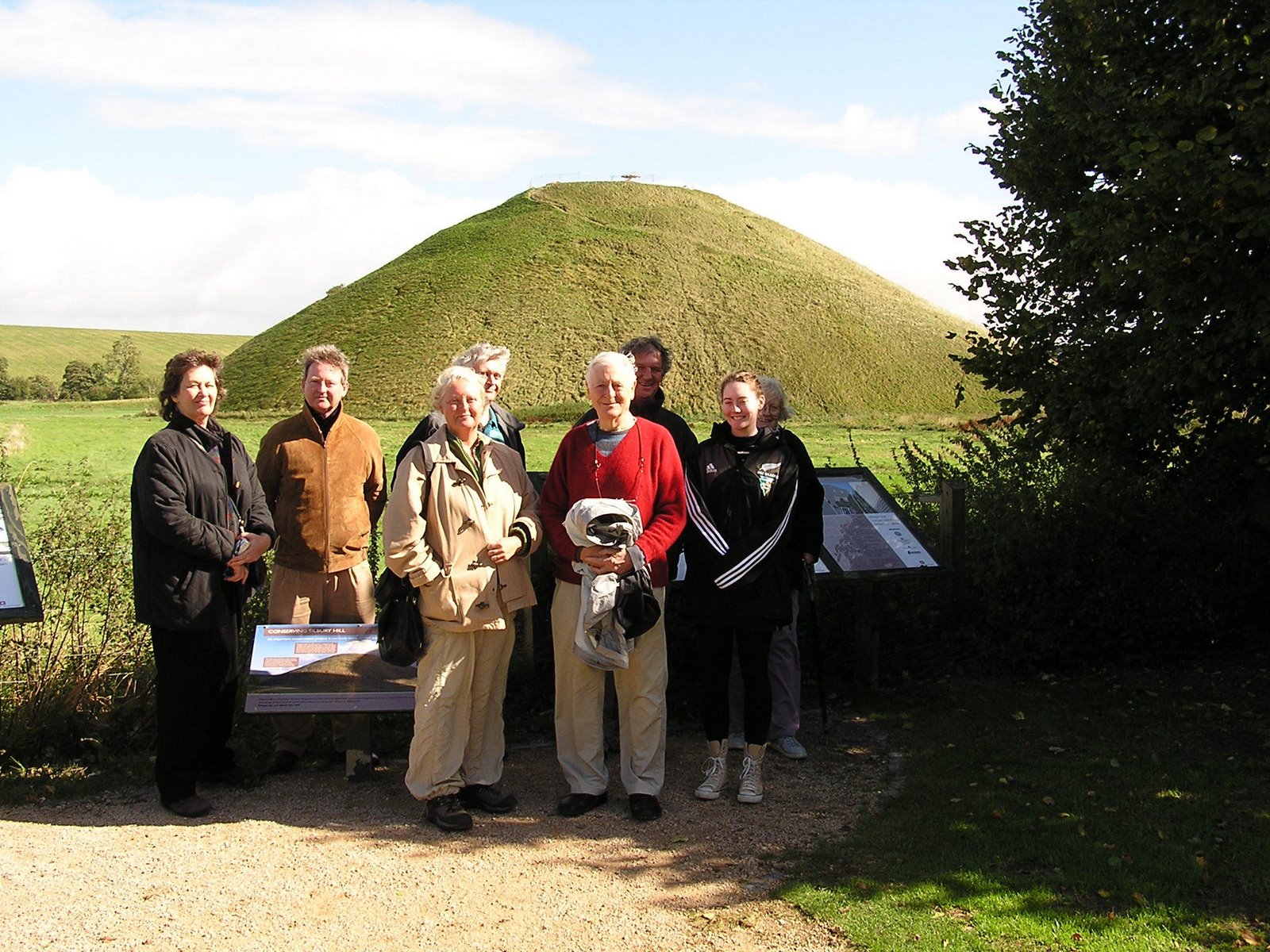
Monday was a Bank Holiday, and very welcome to have a day catching up.
Tuesday, our Select Committee on Intergovernmental Organisations, looking at communicable diseases, took evidence from Professor Harvey Rubin, Director of the Institute for Strategic Threat Analysis and Response (ISTAR) at the University of Pennsylvania. He wants to create a ‘Global Compact for Infectious Diseases’, to do the job of systems integration for the large number of IGOs, NGOs, governments, foundations and companies involved in fighting existing diseases and others that may develop in future. Professor Rubin is a great enthusiast, but I’m not convinced that we need yet another body to add to the dozens that already exist.
Then attended a meeting of the All-Party Armenia Committee, commemorating the anniversary of the Armenian Genocide of 1915, in which more than a million Armenians lost their lives. Although there are a few Turks now prepared to discuss those terrible events, they aren’t yet ready to acknowledge the historical facts, and the EU doesn’t make it a condition of their accession.
Later, attended a meeting organised by Jeremy Corbyn for Liberation, to discuss progress towards the restoration of democracy in Bangladesh. I spoke briefly about the recent episode of ethnic cleansing in the Chittagong Hill Tracts, in which 8 villages were burnt to the ground by arsonist settlers, making between 150 and 200 families homeless and destitute. The government hasn’t launched an inquiry into this atrocity and not one of the criminals responsible has been arrested. The army, which has a very oppressive presence in the area, disclaims any knowledge of the events.
Wednesday, I joined in questions on Zimbabwe, asking the Minister Lord Malloch-Brown whether, since the regime has neither the money nor the logistical capacity to run a second round of the Presidential election, the international community has some leverage to provide not only the management of the second round, if it takes place, but the protection needed in the form of security for the members of the opposition who have been subject to repeated violence so far.
Midday, Lindsay rang me at the House to say that she couldn’t get onto the internet. I rang Netgear when I got home and at first they said the problem was that the router firmware was very old – ie probably three years old. Obviously I couldn’t download an upgrade but our kind neighbour Jamie not only did that for me, but also brought it round on a USB device of his own, as I couldn’t find either of mine. Towards midnight I had uploaded the new firmware to the router and it still didn’t work. Netgear –whose tech support line, based in India, was still open at that time – gave me an RMA number. They offered next day replacement for an express courier charge of £22 which I accepted with alacrity.
Thursday, I fielded the statement on Cyclone Nargis, asking the Minister, Christine Crawley, how the logistics of the relief effort were to be coordinated, and whether, as the enormous scale of the disaster became apparent, that was yet another reason for abandoning the sham referendum that is planned for this weekend.
Friday, the replacement Netgear router arrived and I installed it with a few minutes help from Netgear. Their tech support telephone line answers promptly and the technicians are first class, light years ahead of most hardware manufacturers.
Friday afternoon I collected my new htc PDA Phone from the Lords. A couple of years ago the computer department had told me I couldn’t have a PDA because I didn’t use Outlook or the Parliamentary email system, but this device lets one use Gmail, and synchronise it with the desktop. It also reads the Gmail calendar, which could be useful in allowing me to make and change appointments when I’m not at either of my desks at Flodden Road or the House, though it’s a beta, with some oddities. Anyway, it’s a brilliant tool, even incorporating a camera, see Doris and Lindsay below.
Friday, May 09, 2008


Letter to the Vietnamese government on the Buddhist festival of Vesak
From Lord Avebury
May 6, 2008
Excellencies,
On 13-17 May 2008, your government will host the 5th United Nations’ Day of the Vesak in Hanoi. This should be a happy occasion, a day to remember Buddha’s message of tolerance and peace, and to inspire all people, Buddhists and non-Buddhists alike, to work together towards mutual understanding and harmonious coexistence in our world.
However, we are deeply disturbed by recent reports of grave repression against Buddhism, the very faith you claim to celebrate. Only the State-sponsored Vietnam Buddhist Sangha, controlled by the Communist Party’s Fatherland Front, will attend these celebrations, whilst the independent, traditional Unified Buddhist Church of Vietnam (UBCV) remains banned and its leaders are prisoners in their own pagodas.
In the run-up to the Vesak, Police have seized UBCV pagodas to use for State-sponsored events, evicted and harassed UBCV monks, nuns and lay-followers in Lam Dong, Hue, Quang Tri and elsewhere. On 2nd May 2008, the US Commission on International Religious Freedom (USCIRF) expressed deep concern on “significant official harassment of monks, nuns and youth leaders associated with the UBCV”, including the long-term house arrest of UBCV Patriarch Thich Huyen Quang, 88 and his Deputy Thich Quang Do, 80, a 2008 Nobel Peace Prize nominee. Both monks have spent over 26 years in detention for their peaceful advocacy of religious freedom, democracy and human rights. Moreover, in the light of grave abuses against Buddhists, Protestants, Catholics, Hoa Hao, Cao Dai and other religious communities, the USCIRF recommended that Vietnam be re-designated in 2008 as a “Country of Particular Concern”.
We appreciate the progress you have made in certain domains, but this progress remains uneven. As a member of the World Trade Organization, non-permanent member of the UN Security Council, and a signatory to key UN human rights treaties, Vietnam has a binding obligation to uphold all internationally-recognised human rights. This entails respect for the mother of all freedoms – the right to freedom of thought, conscience, religion and belief.
In the occasion of the UN Day of Vesak, we urge you to release Patriarch Thich Huyen Quang and Most Venerable Thich Quang Do and restore the UBCV’s legitimate status. By this gesture, you will restore true significance to the UN Day of the Vesak, and honour the 2,000 year heritage of Buddhism in Vietnam.
Yours sincerely,
Eric Avebury
H.E. Nguyen Minh Triet, President, Socialist Republic of Vietnam
H.E. Nguyen Tan Dung, Prime Minister
H.E. Nong Duc Manh, Secretary General, Communist Party of Vietnam
H.E. Nguyen Phu Trong, President of the National Assembly
May 6, 2008
Excellencies,
On 13-17 May 2008, your government will host the 5th United Nations’ Day of the Vesak in Hanoi. This should be a happy occasion, a day to remember Buddha’s message of tolerance and peace, and to inspire all people, Buddhists and non-Buddhists alike, to work together towards mutual understanding and harmonious coexistence in our world.
However, we are deeply disturbed by recent reports of grave repression against Buddhism, the very faith you claim to celebrate. Only the State-sponsored Vietnam Buddhist Sangha, controlled by the Communist Party’s Fatherland Front, will attend these celebrations, whilst the independent, traditional Unified Buddhist Church of Vietnam (UBCV) remains banned and its leaders are prisoners in their own pagodas.
In the run-up to the Vesak, Police have seized UBCV pagodas to use for State-sponsored events, evicted and harassed UBCV monks, nuns and lay-followers in Lam Dong, Hue, Quang Tri and elsewhere. On 2nd May 2008, the US Commission on International Religious Freedom (USCIRF) expressed deep concern on “significant official harassment of monks, nuns and youth leaders associated with the UBCV”, including the long-term house arrest of UBCV Patriarch Thich Huyen Quang, 88 and his Deputy Thich Quang Do, 80, a 2008 Nobel Peace Prize nominee. Both monks have spent over 26 years in detention for their peaceful advocacy of religious freedom, democracy and human rights. Moreover, in the light of grave abuses against Buddhists, Protestants, Catholics, Hoa Hao, Cao Dai and other religious communities, the USCIRF recommended that Vietnam be re-designated in 2008 as a “Country of Particular Concern”.
We appreciate the progress you have made in certain domains, but this progress remains uneven. As a member of the World Trade Organization, non-permanent member of the UN Security Council, and a signatory to key UN human rights treaties, Vietnam has a binding obligation to uphold all internationally-recognised human rights. This entails respect for the mother of all freedoms – the right to freedom of thought, conscience, religion and belief.
In the occasion of the UN Day of Vesak, we urge you to release Patriarch Thich Huyen Quang and Most Venerable Thich Quang Do and restore the UBCV’s legitimate status. By this gesture, you will restore true significance to the UN Day of the Vesak, and honour the 2,000 year heritage of Buddhism in Vietnam.
Yours sincerely,
Eric Avebury
H.E. Nguyen Minh Triet, President, Socialist Republic of Vietnam
H.E. Nguyen Tan Dung, Prime Minister
H.E. Nong Duc Manh, Secretary General, Communist Party of Vietnam
H.E. Nguyen Phu Trong, President of the National Assembly
Monday, May 05, 2008
Lets help Indonesian democrats combat bigotry
Copy of a letter to the Rt Hon the Lord Malloch-Brown KCMG, Foreign Office Minister with special responsibility for human rights, and of an editorial in the Jakarta Post:
From Lord Avebury
May 4, 2008
Dear Mark,
I am dismayed to see that according to the Jakarta Post, the Ahmadiyya Muslims are to be banned by ministerial order tomorrow morning, and that President SBY has no power to stop three junior ministers from making this extremist order.
This follows some weeks of agitated discussion about the proposed ban, and attacks on Ahmadiyya mosques.
You will remember that there were earlier instances of threats and attacks on Ahmadis in Indonesia. I wrote to the then Prime Minister in July 2005 about a threatened ban at that time, copy attached for ease of reference, without receiving a reply as far as I can trace. In December 2007 I wrote twice to Meg Munn MP at the FCO, and received the attached reply saying that the EU had decided not to take any action.
I’m sure that President SBY deplores the religious intolerance of some sections of Indonesian society just as much as the Jakarta Post, but although the Post say the ball is in his court, he has been silent on the controversy as far as can be seen. Please, can we galvanise the EU into saying something about the attacks on Ahmadi mosques, and the unacceptability of the proposal to ban a peaceful and harmless religion?
Yours sincerely,
Eric Avebury
The Rt Hon the Lord Malloch-Brown KCMG,
Foreign & Commonwealth Office,
London SW1A 2AH
-------------------------------------------------------
www.thejakartapost.com/news/2008/04/18/editorial-religious-persecution.html
Editorial: Religious persecution
Fri, 04/18/2008 10:05 AM | Opinion
Here is an important announcement. Indonesia has officially stopped being the tolerant nation it has always proclaimed to be, especially when it comes to religion. The country with the world's largest Muslim population, one that has long prided itself for its diversity and peaceful coexistence between people of different faiths, is no longer a safe place, particularly for religious minorities.
Never mind what the Constitution and the state ideology Pancasila say -- that freedom of religion is guaranteed and that citizens are protected to practice their faith. Today, those are mere ornamental words. The reality on the ground is the state has started to persecute people for their religious beliefs.
On Wednesday, a government panel decided that Ahmadiyah, a Muslim sect that has its origins in India but now has followers worldwide, including in Indonesia, is heretic and contravenes the tenets of Islam. The Coordinating Board for Monitoring Mystical Beliefs -- comprising government prosecutors, police and officials of the religious affairs and home ministries -- issued a recommendation that Ahmadiyah, as a religious organization, be banned, along with all its activities.
The ball is in President Susilo Bambang Yudhoyono's court, being the person authorized to ban any organization. But there is real fear that before he makes his ruling, the recommendation itself will be sufficient for various vigilante groups to start attacking and harassing followers of Ahmadiyah.
Many followers of Ahmadiyah have already had to live in makeshift shelters after coming under violent attacks in recent years from vigilante groups who acted on the fatwa (religious edict) of the Indonesian Ulema Council declaring Ahmadiyah heretic. The police, whose duty it is to ensure that every religious minority is protected, did not make much of an effort to prevent the violence. Typically, they only evacuated Ahmadiyah followers to safety and then gave the thugs free reign to destroy and burn down property belonging to the group.
Now, the same vigilante groups and many others like them will be encouraged to resume their attacks. Even the police will be required to act upon a ban and start rounding up the followers of Ahmadiyah. If this is not state-sanctioned religious persecution, then we don't know what is.
No wonder the first reaction from Ahmadiyah leaders when the ban recommendation came Wednesday was to brace themselves for violent attacks and to defend themselves. They knew too that they no longer could count on the protection of the state and the police against future attacks.
What is most disturbing is the way representatives of the conservative Muslims flexed their muscles to secure the ban, at times using violent language, forcing the government to comply.
This is the first time in the republic's history that the state, which proclaims to be neither theocratic nor secular, has interfered in the substance of the religion. In the past, the state restricted its role to ensuring freedom of religion and the right for everyone to practice their faith. It leaves the question of the right or wrong of particular teachings to religious leaders. Wednesday's recommendation broke the long-held taboo and clearly shows the state siding with the Muslim conservatives by agreeing Ahmadiyah is heresy and contravenes the tenets of Islam.
This is setting a dangerous precedent, for no religion is safe now from the possibility of having its beliefs probed and judged to contravene Islam. That literally means just about every existing religion. One wonders, now that the conservative Muslims have had their way, who they will target next. They know the state will again be submissive to their will.
This is the state playing God, a dangerous game that would spell the end of the religious diversity that has always underpinned this republic. We may as well declare Indonesia an Islamic state. At least the rules of the game for the religious minorities are clear. Today, we have a government that is failing in its constitutional duty to protect the religious minorities.
It is encouraging to see that Muslim leaders from the moderate camp quickly distanced themselves from the recommendation by the government panel and denounced it as a violation of the Constitution (which, incidentally, is an impeachable offense).
Former Muhammadiyah chairman Syafii Ma'arif and leading Islamic scholar Azyumardi Azra both said the recommendation reflects the views of "extremist" elements in Islam rather than the "moderate" that continue to preach peace, tolerance and respect for religious differences.
More of them should come out of their shell and speak out about the real Islam.
If the state can no longer be counted on to defend Ahmadiyah followers, then the task should be taken up by moderate and peace-loving Muslims. They, along with leaders of religious minorities, should join hands in fighting religious extremists in our society (and apparently, in our government) and prevent this country from degenerating into a lawless state.
This republic was built upon, among other things, religious diversity and religious freedom. You take those away and you may as well forget about the republic. May God be with us.
Advisors counsel SBY against banning Ahmadiyah
Desy Nurhayati , The Jakarta Post , Jakarta | Wed, 04/23/2008 1:07 AM | Headlines
The Presidential Advisory Council is advising President Susilo Bambang Yudhoyono to cancel the issuance of a joint ministerial decree to outlaw "heretical" Islamic sect Jamaah Ahmadiyah.
A ban on Ahmadiyah would be a "bad precedent" to Indonesia's democracy and freedom of religion, council member and legal expert Adnan Buyung Nasution told a news conference after a meeting with sect leaders here Tuesday.
At the meeting, Ahmadiyah representatives were accompanied by activists from the Alliance of Religious and Belief Freedom.
"We will immediately advise the President to prevent the issuance of the decree for the sake of upholding democracy, tolerance and freedom of religion," Buyung said.
"We only have a little time to analyze the issue and meet with the President before the joint decree is issued. But we can assure that we will seriously handle this matter."
Coordinating Minister for Political, Legal and Security Affairs Widodo Adi Sucipto said last week the government would issue a joint decree based on a recommendation by the Coordinating Board for Monitoring Mystical Beliefs in Society (Bakor Pakem).
The decree is currently being drafted by the Religious Affairs Ministry, the Home Ministry and the Attorney General's Office.
Bakor Pakem recommended the government outlaw Ahmadiyah for failing to honor the 12-point declaration regarding faith and social values consistent to Islamic values after being given three months to prove its commitment.
The interdepartmental board led by the junior attorney general of intelligence said it found Ahmadiyah had continued to follow activities that deviated from mainstream Islamic teachings.
Buyung said the board and the planned joint decree had no strong legal basis, and were only serving to take repressive actions against a group of people.
"We think the establishment of the board itself has no firm legal basis even though they acted based on the 1965 law on the prevention of the misuse and disgrace of religion," he said.
Buyung was quoted by detik.com as saying all but one member of the nine-member Presidential Advisory Council opposed a ban on Ahmadiyah.
He identified the disagreeing member as Ma'ruf Amin, who is also deputy leader of the Indonesian Ulema Council that publicly declared Ahmadiyah a "heretical" Islamic sect.
Ahmadiyah spokesman Ahmad Mubarik said his group slammed the Bakor Pakem pronouncement that the sect hadn't committed to the 12-point declaration.
There should be an independent team, instead of the board, to decide whether Ahmadiyah had complied with the declaration or not, he said.
Ahmadiyah advocacy team member Lamardy said the sect demanded the President protect people in their religious beliefs.
Bakor Pakem, which was established in 1994, consists of senior officials from the Attorney General's Office, the Indonesian Military, the National Police, the Religious Affairs Ministry and the Home Ministry.
The Jakarta Legal Aid Institute, which is grouped in the Alliance of Religious and Belief Freedom, urged the Attorney General's Office to dissolve the board, saying it violated people's basic rights.
From Lord Avebury
May 4, 2008
Dear Mark,
I am dismayed to see that according to the Jakarta Post, the Ahmadiyya Muslims are to be banned by ministerial order tomorrow morning, and that President SBY has no power to stop three junior ministers from making this extremist order.
This follows some weeks of agitated discussion about the proposed ban, and attacks on Ahmadiyya mosques.
You will remember that there were earlier instances of threats and attacks on Ahmadis in Indonesia. I wrote to the then Prime Minister in July 2005 about a threatened ban at that time, copy attached for ease of reference, without receiving a reply as far as I can trace. In December 2007 I wrote twice to Meg Munn MP at the FCO, and received the attached reply saying that the EU had decided not to take any action.
I’m sure that President SBY deplores the religious intolerance of some sections of Indonesian society just as much as the Jakarta Post, but although the Post say the ball is in his court, he has been silent on the controversy as far as can be seen. Please, can we galvanise the EU into saying something about the attacks on Ahmadi mosques, and the unacceptability of the proposal to ban a peaceful and harmless religion?
Yours sincerely,
Eric Avebury
The Rt Hon the Lord Malloch-Brown KCMG,
Foreign & Commonwealth Office,
London SW1A 2AH
-------------------------------------------------------
www.thejakartapost.com/news/2008/04/18/editorial-religious-persecution.html
Editorial: Religious persecution
Fri, 04/18/2008 10:05 AM | Opinion
Here is an important announcement. Indonesia has officially stopped being the tolerant nation it has always proclaimed to be, especially when it comes to religion. The country with the world's largest Muslim population, one that has long prided itself for its diversity and peaceful coexistence between people of different faiths, is no longer a safe place, particularly for religious minorities.
Never mind what the Constitution and the state ideology Pancasila say -- that freedom of religion is guaranteed and that citizens are protected to practice their faith. Today, those are mere ornamental words. The reality on the ground is the state has started to persecute people for their religious beliefs.
On Wednesday, a government panel decided that Ahmadiyah, a Muslim sect that has its origins in India but now has followers worldwide, including in Indonesia, is heretic and contravenes the tenets of Islam. The Coordinating Board for Monitoring Mystical Beliefs -- comprising government prosecutors, police and officials of the religious affairs and home ministries -- issued a recommendation that Ahmadiyah, as a religious organization, be banned, along with all its activities.
The ball is in President Susilo Bambang Yudhoyono's court, being the person authorized to ban any organization. But there is real fear that before he makes his ruling, the recommendation itself will be sufficient for various vigilante groups to start attacking and harassing followers of Ahmadiyah.
Many followers of Ahmadiyah have already had to live in makeshift shelters after coming under violent attacks in recent years from vigilante groups who acted on the fatwa (religious edict) of the Indonesian Ulema Council declaring Ahmadiyah heretic. The police, whose duty it is to ensure that every religious minority is protected, did not make much of an effort to prevent the violence. Typically, they only evacuated Ahmadiyah followers to safety and then gave the thugs free reign to destroy and burn down property belonging to the group.
Now, the same vigilante groups and many others like them will be encouraged to resume their attacks. Even the police will be required to act upon a ban and start rounding up the followers of Ahmadiyah. If this is not state-sanctioned religious persecution, then we don't know what is.
No wonder the first reaction from Ahmadiyah leaders when the ban recommendation came Wednesday was to brace themselves for violent attacks and to defend themselves. They knew too that they no longer could count on the protection of the state and the police against future attacks.
What is most disturbing is the way representatives of the conservative Muslims flexed their muscles to secure the ban, at times using violent language, forcing the government to comply.
This is the first time in the republic's history that the state, which proclaims to be neither theocratic nor secular, has interfered in the substance of the religion. In the past, the state restricted its role to ensuring freedom of religion and the right for everyone to practice their faith. It leaves the question of the right or wrong of particular teachings to religious leaders. Wednesday's recommendation broke the long-held taboo and clearly shows the state siding with the Muslim conservatives by agreeing Ahmadiyah is heresy and contravenes the tenets of Islam.
This is setting a dangerous precedent, for no religion is safe now from the possibility of having its beliefs probed and judged to contravene Islam. That literally means just about every existing religion. One wonders, now that the conservative Muslims have had their way, who they will target next. They know the state will again be submissive to their will.
This is the state playing God, a dangerous game that would spell the end of the religious diversity that has always underpinned this republic. We may as well declare Indonesia an Islamic state. At least the rules of the game for the religious minorities are clear. Today, we have a government that is failing in its constitutional duty to protect the religious minorities.
It is encouraging to see that Muslim leaders from the moderate camp quickly distanced themselves from the recommendation by the government panel and denounced it as a violation of the Constitution (which, incidentally, is an impeachable offense).
Former Muhammadiyah chairman Syafii Ma'arif and leading Islamic scholar Azyumardi Azra both said the recommendation reflects the views of "extremist" elements in Islam rather than the "moderate" that continue to preach peace, tolerance and respect for religious differences.
More of them should come out of their shell and speak out about the real Islam.
If the state can no longer be counted on to defend Ahmadiyah followers, then the task should be taken up by moderate and peace-loving Muslims. They, along with leaders of religious minorities, should join hands in fighting religious extremists in our society (and apparently, in our government) and prevent this country from degenerating into a lawless state.
This republic was built upon, among other things, religious diversity and religious freedom. You take those away and you may as well forget about the republic. May God be with us.
Advisors counsel SBY against banning Ahmadiyah
Desy Nurhayati , The Jakarta Post , Jakarta | Wed, 04/23/2008 1:07 AM | Headlines
The Presidential Advisory Council is advising President Susilo Bambang Yudhoyono to cancel the issuance of a joint ministerial decree to outlaw "heretical" Islamic sect Jamaah Ahmadiyah.
A ban on Ahmadiyah would be a "bad precedent" to Indonesia's democracy and freedom of religion, council member and legal expert Adnan Buyung Nasution told a news conference after a meeting with sect leaders here Tuesday.
At the meeting, Ahmadiyah representatives were accompanied by activists from the Alliance of Religious and Belief Freedom.
"We will immediately advise the President to prevent the issuance of the decree for the sake of upholding democracy, tolerance and freedom of religion," Buyung said.
"We only have a little time to analyze the issue and meet with the President before the joint decree is issued. But we can assure that we will seriously handle this matter."
Coordinating Minister for Political, Legal and Security Affairs Widodo Adi Sucipto said last week the government would issue a joint decree based on a recommendation by the Coordinating Board for Monitoring Mystical Beliefs in Society (Bakor Pakem).
The decree is currently being drafted by the Religious Affairs Ministry, the Home Ministry and the Attorney General's Office.
Bakor Pakem recommended the government outlaw Ahmadiyah for failing to honor the 12-point declaration regarding faith and social values consistent to Islamic values after being given three months to prove its commitment.
The interdepartmental board led by the junior attorney general of intelligence said it found Ahmadiyah had continued to follow activities that deviated from mainstream Islamic teachings.
Buyung said the board and the planned joint decree had no strong legal basis, and were only serving to take repressive actions against a group of people.
"We think the establishment of the board itself has no firm legal basis even though they acted based on the 1965 law on the prevention of the misuse and disgrace of religion," he said.
Buyung was quoted by detik.com as saying all but one member of the nine-member Presidential Advisory Council opposed a ban on Ahmadiyah.
He identified the disagreeing member as Ma'ruf Amin, who is also deputy leader of the Indonesian Ulema Council that publicly declared Ahmadiyah a "heretical" Islamic sect.
Ahmadiyah spokesman Ahmad Mubarik said his group slammed the Bakor Pakem pronouncement that the sect hadn't committed to the 12-point declaration.
There should be an independent team, instead of the board, to decide whether Ahmadiyah had complied with the declaration or not, he said.
Ahmadiyah advocacy team member Lamardy said the sect demanded the President protect people in their religious beliefs.
Bakor Pakem, which was established in 1994, consists of senior officials from the Attorney General's Office, the Indonesian Military, the National Police, the Religious Affairs Ministry and the Home Ministry.
The Jakarta Legal Aid Institute, which is grouped in the Alliance of Religious and Belief Freedom, urged the Attorney General's Office to dissolve the board, saying it violated people's basic rights.
Hits
Since I started this blog two years ago, the site has received 9,272 hits, an average of 41 per day, but the number in the last week was 286. Its never going to reach a mass audience, but the numbers convince me its a worthwhile exercise.
Bank Holiday
My grandfather Sir John Lubbock MP FRS, author of the Bank Holidays Act 1871.
How doth the Banking Busy Bee
Improve his shining Hours?
By studying on Bank Holidays
Strange insects and Wild Flowers!
(Punch, 1882)
How doth the Banking Busy Bee
Improve his shining Hours?
By studying on Bank Holidays
Strange insects and Wild Flowers!
(Punch, 1882)
.jpg)
Sunday, May 04, 2008
Michael Woodward
I had a very touching letter from Patricia Bennetts, sister of Father Michael Woodward, who was murdered on board the Chilean naval ship Esmeralda in 1973. After all these years, five former naval officers have been charged with the murder. I had tried to find a way of getting the case raised under the EU-Chile Association Agreement which contains a human rights clause, but like all these clauses in all Association Agreements it turned out to be useless. However, my correspondence shows that behind the scenes FCO Ministers did urge the Chilean authorities to pursue further investigations and now at last some action is under way. Six high ranking ex-officers have been charged with the kidnapping and torture of Fr Woodward.
This comes hard on the heels of the imprisonment of former General Manuel Contreras, convicted of the terrorist bomb attack in Washington DC which killed former foreign minister Orlando Letelier and his assistant Ronni Moffitt on September 21,1976. Letelier's widow Isabel fought tenaciously for justice for more than three decades.
This comes hard on the heels of the imprisonment of former General Manuel Contreras, convicted of the terrorist bomb attack in Washington DC which killed former foreign minister Orlando Letelier and his assistant Ronni Moffitt on September 21,1976. Letelier's widow Isabel fought tenaciously for justice for more than three decades.
Saturday, May 03, 2008


This week
Monday: Peter Kessler of UNHCR came to lunch. We discussed the People's Mojahedin of Iran (PMOI) personnel still in Camp Ashraf and those who left the camp and went to the US-managed Temporary International Protection Facility (TIPF). I had heard that some 300 decided to return to Iran with the help of the ICRC, where they were compelled by the regime to participate in humiliating propaganda exercises. Of those who went to the TIPF, some 80 still remain there, 55 are in the Kurdish region, and 30 crossed into Turkey. Unfortunately, states that normally accept refugee resettlement cases including the UK aren't prepared to consider helping with these people. I suspect that our own Government's attitude is conditioned by the case now awaiting a hearing in the House of Lords, in which they are appealing to theHouse of Lords against the High Court and Court of Appeal decision to grant the PMOI's application for 'deproscription' under the Terrorism Act 2000.
Second, we talked about the 'Special Immigration Status' created in the Criminal Justice & Immigration Bill, for people like the Afghans who hijacked an airliner to escape from Kabul in 2000 when the Taliban were in power. This was due to be discussed for the third time on Wednesday on Third Reading of the Bill. We unsuccessfully sought to add a condition for a person to be designated as SIS, that the Secretary of State should certify that he was a danger to the public (www.publications.parliament.uk/pa/ld200708/ldhansrd/text/80430-0008.htm)
In the afternoon, Select Committee on International Organisations, taking evidence via a videolink from Mrs Zsuzsannna Jakab, Director of the European Centre for Disease Control. This session can be seen at www.parliamentlive.tv/Main/VideoPlayer.aspx?meetingId=1599.
Early evening, to the Sudanese Embassy, to meet the Foreign Minister Mr Deng Alor and the Adviser to the President Dr Mustafa Osman Ismail. We talked about the delaus in UNAMID deployment, which they said were the fault of the troop-supplying states and the states which hadn't provided the transport for Egyptian and Ethiopian contingents that were ready.
The Census they said was going well, but the government of the South had said that they would only accept the result if it confirmed their view that the population of the south was a third at least of the total. This was important because the census would determine the number of MPs from North and South, and the Parliament would enact the Referendum Law.
They said that while the international community was spending $1.2 billion on Darfur, the East was being neglected, though it was the region suffering from most deprovation including killer diseases such as drug-resistant TB.
Tuesday, to Oxford for the Annual Maurice Lubbock Memorial Lecture at the Said Business school, delivered by Nicky Oppenheimer, hed of De Beers. The title was Diamonds,Development and Democracy, largely drawing on the history of De Beers in Botswana, the country with the highest rate of continuous growth in the world over a 40-year period. Nicky Oppenheimer showed that the so-called 'resource curse' was a myth, and that with good governance, poor countries could leverage their natural resources to escape from poverty.
Wednesday, apart from sitting in the Criminal Justice Bill for several hours, I had the topical question, on the BBC's allegations of trading weapons for gold by peacekeeping forces in the DRC. The Minister Mark Malloch-Brown acknowledged that small-scale illicit trading had taken place, but claimed there was no evidence of weapons being exchanged for gold. I have since sent him references to the Human Rights Watch material on the subject published May 2 under the headline UN: Tackle Wrongdoing by Peacekeepers (hrw.org/english/docs/2008/05/02/congo18713.htm)
Thursday, to the Geological society for a discussion on 'The Role of Business in Transforming Africa’s Natural Resources to Shared National Wealth', continuing Nicky Oppenheimer's theme with an expert panel - Paul Collier, author of 'The Bottom Billion'; Nkosane Moyo of the private investment group ACTIS, and Jane Nelso, Senior Fellow, Harvard Busines School. Nobody mentioned the UN or African Conventions against Corruption, or the OECD Code of Conduct for Multinational Corporations.
The President of the Geological Society, Richard Fortey, said that the Society's Lyell Centre was digitising their records and making them available to learned institutions,though I didn't gather whether this was going to be a chargeable service. Among the treasures in the Library, on show, was an early copy of Georgius Agricola's De Re Metallica, though not the first edition of 1556.
Friday, a meeting with the Qaran political leaders from Somaliland. The consitution is ambiguous, but President Riyaale relies on a clause which stipulates that no more than three parties may contest elections, to exclude the Qaran from the elections, which have now been deferred until the end of 2008 - also, paradoxically, against the constitution!
Today, Saturday, to the Dale Farm Travellers' site in Essex, to open their new community centre. The event was a great success, but the residents are under threat of eviction by Basildon Council. Next Friday is the day the High Court delivers judgement on the residents' judicial review application against the decision to kick them out, making all the people homeless. Such an outcome would be utterly disgraceful, and Mr Justice Collins has already hinted that the era of forced evictions of Gypsies and Travellers is over.
Second, we talked about the 'Special Immigration Status' created in the Criminal Justice & Immigration Bill, for people like the Afghans who hijacked an airliner to escape from Kabul in 2000 when the Taliban were in power. This was due to be discussed for the third time on Wednesday on Third Reading of the Bill. We unsuccessfully sought to add a condition for a person to be designated as SIS, that the Secretary of State should certify that he was a danger to the public (www.publications.parliament.uk/pa/ld200708/ldhansrd/text/80430-0008.htm)
In the afternoon, Select Committee on International Organisations, taking evidence via a videolink from Mrs Zsuzsannna Jakab, Director of the European Centre for Disease Control. This session can be seen at www.parliamentlive.tv/Main/VideoPlayer.aspx?meetingId=1599.
Early evening, to the Sudanese Embassy, to meet the Foreign Minister Mr Deng Alor and the Adviser to the President Dr Mustafa Osman Ismail. We talked about the delaus in UNAMID deployment, which they said were the fault of the troop-supplying states and the states which hadn't provided the transport for Egyptian and Ethiopian contingents that were ready.
The Census they said was going well, but the government of the South had said that they would only accept the result if it confirmed their view that the population of the south was a third at least of the total. This was important because the census would determine the number of MPs from North and South, and the Parliament would enact the Referendum Law.
They said that while the international community was spending $1.2 billion on Darfur, the East was being neglected, though it was the region suffering from most deprovation including killer diseases such as drug-resistant TB.
Tuesday, to Oxford for the Annual Maurice Lubbock Memorial Lecture at the Said Business school, delivered by Nicky Oppenheimer, hed of De Beers. The title was Diamonds,Development and Democracy, largely drawing on the history of De Beers in Botswana, the country with the highest rate of continuous growth in the world over a 40-year period. Nicky Oppenheimer showed that the so-called 'resource curse' was a myth, and that with good governance, poor countries could leverage their natural resources to escape from poverty.
Wednesday, apart from sitting in the Criminal Justice Bill for several hours, I had the topical question, on the BBC's allegations of trading weapons for gold by peacekeeping forces in the DRC. The Minister Mark Malloch-Brown acknowledged that small-scale illicit trading had taken place, but claimed there was no evidence of weapons being exchanged for gold. I have since sent him references to the Human Rights Watch material on the subject published May 2 under the headline UN: Tackle Wrongdoing by Peacekeepers (hrw.org/english/docs/2008/05/02/congo18713.htm)
Thursday, to the Geological society for a discussion on 'The Role of Business in Transforming Africa’s Natural Resources to Shared National Wealth', continuing Nicky Oppenheimer's theme with an expert panel - Paul Collier, author of 'The Bottom Billion'; Nkosane Moyo of the private investment group ACTIS, and Jane Nelso, Senior Fellow, Harvard Busines School. Nobody mentioned the UN or African Conventions against Corruption, or the OECD Code of Conduct for Multinational Corporations.
The President of the Geological Society, Richard Fortey, said that the Society's Lyell Centre was digitising their records and making them available to learned institutions,though I didn't gather whether this was going to be a chargeable service. Among the treasures in the Library, on show, was an early copy of Georgius Agricola's De Re Metallica, though not the first edition of 1556.
Friday, a meeting with the Qaran political leaders from Somaliland. The consitution is ambiguous, but President Riyaale relies on a clause which stipulates that no more than three parties may contest elections, to exclude the Qaran from the elections, which have now been deferred until the end of 2008 - also, paradoxically, against the constitution!
Today, Saturday, to the Dale Farm Travellers' site in Essex, to open their new community centre. The event was a great success, but the residents are under threat of eviction by Basildon Council. Next Friday is the day the High Court delivers judgement on the residents' judicial review application against the decision to kick them out, making all the people homeless. Such an outcome would be utterly disgraceful, and Mr Justice Collins has already hinted that the era of forced evictions of Gypsies and Travellers is over.
Saturday, April 26, 2008

The week
Last Sunday, to Geneva with the Select Committee on International Organisations, whose first inquiry is on the effectiveness ofintergovernmental action, and of the role within that action by the UK, in combatting the global spread of communicable diseases. In practice we concentrate on HIV/AIDS, TB and malaria, because those diseases are the main killers, though pneumococcal disease kills a million children a year.
Over Monday and Tuesday we took evidence from the World Health Organisation; the Swiss Federal Office of Public Health; the Global Fund for HIV/AIDS, TB and malaria; UMITAID; the Stop TB Partnership; the International Federation of Pharmaceutical Manufacturers; the GAVI Alliance (a public/private partnership that aims to extend the reach and quality of immunisation coverage within poor countries), and the World Intellectual Property Organization (a UN agency that developed the WIPO Convention to reward creativity but also to safeguard the public interest). Geneva is the health capital of the world, with so many agencies concentrated in the city, and we had an excellent two days.
Having a couple of hours to spare at the end before leaving for the airport I asked the Embassy if they could arrange for me to have short meetings with a couple of the offices of the Special Procedures of the Human Rights Council, and at very short notice I met staffers from the offices of the Special Rapporteur on Torture; the Special Rapporteur on Human Rights Defenders and the Special Rapporteur on Human Rights and Counter-terrorism, a new mandate. I see the transition from the Human Rights Commission to the Human Rights Council as harmful, partularly because of the emergence of the 'Group of Like-Minded States', which has imposed a code of practice on the special Procedures, eliminated country rapporteurs, and required the Special Rapporteur on Freedom of Expression to consider 'defamation of religion'. Some people say the jury's still out, and that the new 'Universal Periodic Review', which provides for a three-year examination of every member state's human rights record, is a step forward.
Wednesday was Report Stage of Criminal Justice and Immigration Bill, and I had another go at erasing 'Special Immigration Status', which puts asylum seekers who are not protected by the Refugee Convention but can't be sent back to their countries of origin in a permanent limbo, unable to work, compelled to live where directed, and barely to survive on benefits less than are available to our own poorest citizens. The Minister, Lord Westm stck closely to his brief, mot answering the points I raised, but as it was 23.30 by the time the debate finished, I didn't press my amendments to the vote.
Thursday afternoon I spent 3 hours taking evidence as part of an informal committee of Members of both Houses looking at pneumococcal disease, and particularly the effects of an initiative developed by the GAVI Alliance, the Advamce Marked Commitment. This enables new vaccines to be brought to the market earlier by guaranteeing the developers a higher level of orders, and in the first instance, it is enabling the launch of pneumococcal vaccines that will save tens of thousands of lives.
Friday I was catching up with some of the paperwork, and discussing with our advisers how we can mitigate the effects of Special Immigration Status. I think we shall have a good amendment ready for the Bill's Third Reading next Wednesday.
Friday evening we went to Handel's Acis and Galatea at Wilton's Music Hall, a brilliant production which has had well-deserved A+ reviews. Kina and Detris, a friend we met through Phil Krone, who is doing a post-graduate course at London Metropolitan University, accompanied us.
Today, Saturday, we have some last-minute delivering to do for the local Lib-Dems for the Mayoral elections which are next week, then to Oxford for the Dean's Dinner. Not much time for homework.
Over Monday and Tuesday we took evidence from the World Health Organisation; the Swiss Federal Office of Public Health; the Global Fund for HIV/AIDS, TB and malaria; UMITAID; the Stop TB Partnership; the International Federation of Pharmaceutical Manufacturers; the GAVI Alliance (a public/private partnership that aims to extend the reach and quality of immunisation coverage within poor countries), and the World Intellectual Property Organization (a UN agency that developed the WIPO Convention to reward creativity but also to safeguard the public interest). Geneva is the health capital of the world, with so many agencies concentrated in the city, and we had an excellent two days.
Having a couple of hours to spare at the end before leaving for the airport I asked the Embassy if they could arrange for me to have short meetings with a couple of the offices of the Special Procedures of the Human Rights Council, and at very short notice I met staffers from the offices of the Special Rapporteur on Torture; the Special Rapporteur on Human Rights Defenders and the Special Rapporteur on Human Rights and Counter-terrorism, a new mandate. I see the transition from the Human Rights Commission to the Human Rights Council as harmful, partularly because of the emergence of the 'Group of Like-Minded States', which has imposed a code of practice on the special Procedures, eliminated country rapporteurs, and required the Special Rapporteur on Freedom of Expression to consider 'defamation of religion'. Some people say the jury's still out, and that the new 'Universal Periodic Review', which provides for a three-year examination of every member state's human rights record, is a step forward.
Wednesday was Report Stage of Criminal Justice and Immigration Bill, and I had another go at erasing 'Special Immigration Status', which puts asylum seekers who are not protected by the Refugee Convention but can't be sent back to their countries of origin in a permanent limbo, unable to work, compelled to live where directed, and barely to survive on benefits less than are available to our own poorest citizens. The Minister, Lord Westm stck closely to his brief, mot answering the points I raised, but as it was 23.30 by the time the debate finished, I didn't press my amendments to the vote.
Thursday afternoon I spent 3 hours taking evidence as part of an informal committee of Members of both Houses looking at pneumococcal disease, and particularly the effects of an initiative developed by the GAVI Alliance, the Advamce Marked Commitment. This enables new vaccines to be brought to the market earlier by guaranteeing the developers a higher level of orders, and in the first instance, it is enabling the launch of pneumococcal vaccines that will save tens of thousands of lives.
Friday I was catching up with some of the paperwork, and discussing with our advisers how we can mitigate the effects of Special Immigration Status. I think we shall have a good amendment ready for the Bill's Third Reading next Wednesday.
Friday evening we went to Handel's Acis and Galatea at Wilton's Music Hall, a brilliant production which has had well-deserved A+ reviews. Kina and Detris, a friend we met through Phil Krone, who is doing a post-graduate course at London Metropolitan University, accompanied us.
Today, Saturday, we have some last-minute delivering to do for the local Lib-Dems for the Mayoral elections which are next week, then to Oxford for the Dean's Dinner. Not much time for homework.
Saturday, April 19, 2008

Friday, April 18, 2008

The week
The House has been in recess this week, giving me the chance to clear some of the piles of paper off the office floor.
A flurry of activity over GA, an asylum seeker who was separated from her infant in Yarl's Wood Immigration Removal Centre (IRC), contrary to a new instruction that was issued after vehement protests about previous cases. The UK Borders Agency say the instruction only applied to their staff implementing decisions to remove or detain a person, and that if a mother and infant already in an IRC are separated, the decision doesn't have to be approved by an official of deputy director level or above.
Tuesday I had a visit from the Eritrean Ambassador, H E Tesfemicael Gerahtu O, and we had a long discussion on the failure of the international community to take a stronger line on implementation of the determination of the Eritrea-Ethiopia boundary commission, to which both states had committed themselves as part of the peace settlement. When the commission's decision didn't suit the Ethiopians they prevaricated, and their troops are still occupying Eritrean territory.
The Ambassador also talked about the progress Eritrea was making in basic services such as health and education. But he wasn't able to account for the large number of people leaving Eritrea and seeking asylum in Europe, Britain in particular.
Friday I had a checkup at King's haematology. There's no sign of a recurrence of the lung tumour removed on April 21, 2006. Alex Snelgrove, Tordie's granddaughter came to lunch during a fleeting visit to London, en route from Zambia where she has an aid project, back to Toronto.
Friday evening we had a party at Flodden Road to celebrate the victory of Steve Bradley in the recent council by-election here in Vassall ward. He trounced Labour, and on this form we should take the other two seats in the ward in a year's time. The details:
Steve Bradley (LD) 1206
Labour 856
Conservative 206
Green 109
English Democrat 8
Independent 7
Steve will be a first-class Councillor, and this result bodes well for Caroline Pidgeon's campaign for the Greater London Assembly.
Saturday morning I had a visit from my agreeable Jehovah's Witness neighbour, who I hadn't had a chance to tald to for some time. His starting point was to ask me what I knew about Armageddon, to which I replied that it was a place in Israel, Megiddo, and the site of the hypothetical battle that precedes the end of the universe in Revelations. Ah, he said, but Psalm CIV v 5 tells us that the universe is eternal, referring to the Lord
'Who laid the foundations of the earth, that it should not be destroyed for ever'.
But how do you reconcile that, I countered, hastily reaching for Cruden's Concordance, with the saying of Jesus himself in St Luke 21:33:
'Heaven and earth shall pass away..'
At that he switched back to Noah, saying that Jehovah would save the virtuous in the final cataclysm, as he had rescued Noah and his family from the flood. We got diverted onto the plausibility of the waters rising to cover the whole of the earth, including Everest, the summit of which is more than 8,800 meters above sea level, requiring an unimaginably vast quantity of water. My JW friend lamely suggested that the amount of water in the atmosphere might be sufficient, but one of his two young helpers, a schoolboy who is attending Dulwich College, had a more sophisticated explanation. The Himalayas, he said correctly, were raised by the collision between the earth's tectonic plates, and at the time of Noah they hadn't reached anything like their present altitude. It would have been good at that point t explore JW beliefs about the span of geological time over which those events took place, but our colloquy was interrupted by the return of Lindsay with a South Korean TV crew who had been filming with her in Myatt's Fields park.
A flurry of activity over GA, an asylum seeker who was separated from her infant in Yarl's Wood Immigration Removal Centre (IRC), contrary to a new instruction that was issued after vehement protests about previous cases. The UK Borders Agency say the instruction only applied to their staff implementing decisions to remove or detain a person, and that if a mother and infant already in an IRC are separated, the decision doesn't have to be approved by an official of deputy director level or above.
Tuesday I had a visit from the Eritrean Ambassador, H E Tesfemicael Gerahtu O, and we had a long discussion on the failure of the international community to take a stronger line on implementation of the determination of the Eritrea-Ethiopia boundary commission, to which both states had committed themselves as part of the peace settlement. When the commission's decision didn't suit the Ethiopians they prevaricated, and their troops are still occupying Eritrean territory.
The Ambassador also talked about the progress Eritrea was making in basic services such as health and education. But he wasn't able to account for the large number of people leaving Eritrea and seeking asylum in Europe, Britain in particular.
Friday I had a checkup at King's haematology. There's no sign of a recurrence of the lung tumour removed on April 21, 2006. Alex Snelgrove, Tordie's granddaughter came to lunch during a fleeting visit to London, en route from Zambia where she has an aid project, back to Toronto.
Friday evening we had a party at Flodden Road to celebrate the victory of Steve Bradley in the recent council by-election here in Vassall ward. He trounced Labour, and on this form we should take the other two seats in the ward in a year's time. The details:
Steve Bradley (LD) 1206
Labour 856
Conservative 206
Green 109
English Democrat 8
Independent 7
Steve will be a first-class Councillor, and this result bodes well for Caroline Pidgeon's campaign for the Greater London Assembly.
Saturday morning I had a visit from my agreeable Jehovah's Witness neighbour, who I hadn't had a chance to tald to for some time. His starting point was to ask me what I knew about Armageddon, to which I replied that it was a place in Israel, Megiddo, and the site of the hypothetical battle that precedes the end of the universe in Revelations. Ah, he said, but Psalm CIV v 5 tells us that the universe is eternal, referring to the Lord
'Who laid the foundations of the earth, that it should not be destroyed for ever'.
But how do you reconcile that, I countered, hastily reaching for Cruden's Concordance, with the saying of Jesus himself in St Luke 21:33:
'Heaven and earth shall pass away..'
At that he switched back to Noah, saying that Jehovah would save the virtuous in the final cataclysm, as he had rescued Noah and his family from the flood. We got diverted onto the plausibility of the waters rising to cover the whole of the earth, including Everest, the summit of which is more than 8,800 meters above sea level, requiring an unimaginably vast quantity of water. My JW friend lamely suggested that the amount of water in the atmosphere might be sufficient, but one of his two young helpers, a schoolboy who is attending Dulwich College, had a more sophisticated explanation. The Himalayas, he said correctly, were raised by the collision between the earth's tectonic plates, and at the time of Noah they hadn't reached anything like their present altitude. It would have been good at that point t explore JW beliefs about the span of geological time over which those events took place, but our colloquy was interrupted by the return of Lindsay with a South Korean TV crew who had been filming with her in Myatt's Fields park.
Sunday, April 13, 2008

Saturday, April 12, 2008


This week
The House has been in recess this week. Monday I had a useful meeting with Cllr Alex Feakes, LibDem Parliamentary Spokesperson for Lewisham West and Penge, having agreed to act as his Parliamentary contact.
Tuesday was the launch of the Let Them Return campaign, in support of the Chagos Islanders, who were kicked out of their homes in 1967 by then Prime Minister Harold Wilson to make way for an American military base, an operation that had no parallel in recent times except in the Soviet Union under Stalin. Olivier Bancoult,the Leader of the campaign; Richard Gifford, the lawyer fighting their case in the courts, and Professor John Howell, author of a study demonstrating the feasibility of return, were the main speakers, and there was a good contingent of the Ilois, from the exiles now living in Crawley.
Wednesday I had a visit from former Indonesian Ambassador Nana Sutrisno, who was visiting the UK for the birth of a grandchild. We reminisced about the early stages of the Acheh peace process, which led ultimately to the settlement based on the pronciple of autonomy. Mr Sutrisno is now undertaking ad hoc miissions on behalf of President Susilo Bambang Yudhoyono, and I asked him to convey my greetings to the President, remembering our contacts in Geneva.
Thursday I had a meeting to discuss the evidence given by the Foreign Office in the hearing of the case for deproscribing the People's Mojahedin of Iran, which the Government lost in the Proscribed Organisations Appeal Commission, but are appealing. Some of this evidence came from persons closely connected with the Iranian regime, and having had some knowledge of their attempts to poison the springs of truth in relation to a Human Rights Watch inquiry a few years ago, I am planning to warn the FCO about their use of polluted sources.
Thursday evening I attended an exhibition at the Oxo Gallery of photographs taken by a young Afghan, in the north of the country where conditions are more or less normal. They are raising money to send books to the schools, for which donations can be sent to 'Afghan Youth Fund', c/o Richard Compton, 14 Broadway Lofts, Gatton Road, London SW17 0EE. I'm asking my grandson, who works for Amazon, whether they deliver to Afghanistan!
Friday I had a meeting with the newly appointed Representative of Somaliland to the United Kingdom. We still don't recognise Somaliland's independence, though it has been governed separately since the downfall of the dictator Siad Barre and has been developing institutions of democratic governance and human rights. The UK, as the former colonial power, would not be the first to recognise Somaliland, but might follow if another state such as South Africa would take the lead. Meanwhile, there is a lot more we could do to help the government of Somaliland to develop basic public services.
Following the judgement of the High Court aginst the Government in the Saudi bribery case, I co-authored an article in Friday's Guardian. The court found (www.bailii.org/ew/cases/EWHC/Admin/2008/714.html) that Prince Bandar threatened No 10 with dire consequences if the Serious Fraud Office's investigation wasn't stopped, and Tony Blair gave in, telling the Director of the SFO to halt attempts beng made to get documents from a Swiss bank to prove the allegations under investigation. The Director had failed to do everything possible to resist the threat, as he should have done. He submitted too readily because, like the Prime Minister, he concentrated on what might happen if the threat were carried out and not on how it might be resisted. No-one, whether within this country or outside is entitled to interfere with the course of our justice. It was the failure of Government and the Director to observe this essential principle that justified the intervention of the court.
Friday evening, a very agreeable dinner with John Adamson and friend. John won the Pepys Prize for his superb account of the beginning of the English constitutional crisis in 1640, and is working on the sequel, taking the story up to the middle of the decade. I look forward particularly to his treatment of the unfortunate case of my ancestors Sir John Hotham and his son, who were executed in January 1644 for their treasonous dealings with the royalists. In mitigation it must be said that by denying Charles 1 access in 1642 to the armoury at Hull, the second largest in the Kingdom, Sir John had materially damaged the royalists' military efectiveness.
Tuesday was the launch of the Let Them Return campaign, in support of the Chagos Islanders, who were kicked out of their homes in 1967 by then Prime Minister Harold Wilson to make way for an American military base, an operation that had no parallel in recent times except in the Soviet Union under Stalin. Olivier Bancoult,the Leader of the campaign; Richard Gifford, the lawyer fighting their case in the courts, and Professor John Howell, author of a study demonstrating the feasibility of return, were the main speakers, and there was a good contingent of the Ilois, from the exiles now living in Crawley.
Wednesday I had a visit from former Indonesian Ambassador Nana Sutrisno, who was visiting the UK for the birth of a grandchild. We reminisced about the early stages of the Acheh peace process, which led ultimately to the settlement based on the pronciple of autonomy. Mr Sutrisno is now undertaking ad hoc miissions on behalf of President Susilo Bambang Yudhoyono, and I asked him to convey my greetings to the President, remembering our contacts in Geneva.
Thursday I had a meeting to discuss the evidence given by the Foreign Office in the hearing of the case for deproscribing the People's Mojahedin of Iran, which the Government lost in the Proscribed Organisations Appeal Commission, but are appealing. Some of this evidence came from persons closely connected with the Iranian regime, and having had some knowledge of their attempts to poison the springs of truth in relation to a Human Rights Watch inquiry a few years ago, I am planning to warn the FCO about their use of polluted sources.
Thursday evening I attended an exhibition at the Oxo Gallery of photographs taken by a young Afghan, in the north of the country where conditions are more or less normal. They are raising money to send books to the schools, for which donations can be sent to 'Afghan Youth Fund', c/o Richard Compton, 14 Broadway Lofts, Gatton Road, London SW17 0EE. I'm asking my grandson, who works for Amazon, whether they deliver to Afghanistan!
Friday I had a meeting with the newly appointed Representative of Somaliland to the United Kingdom. We still don't recognise Somaliland's independence, though it has been governed separately since the downfall of the dictator Siad Barre and has been developing institutions of democratic governance and human rights. The UK, as the former colonial power, would not be the first to recognise Somaliland, but might follow if another state such as South Africa would take the lead. Meanwhile, there is a lot more we could do to help the government of Somaliland to develop basic public services.
Following the judgement of the High Court aginst the Government in the Saudi bribery case, I co-authored an article in Friday's Guardian. The court found (www.bailii.org/ew/cases/EWHC/Admin/2008/714.html) that Prince Bandar threatened No 10 with dire consequences if the Serious Fraud Office's investigation wasn't stopped, and Tony Blair gave in, telling the Director of the SFO to halt attempts beng made to get documents from a Swiss bank to prove the allegations under investigation. The Director had failed to do everything possible to resist the threat, as he should have done. He submitted too readily because, like the Prime Minister, he concentrated on what might happen if the threat were carried out and not on how it might be resisted. No-one, whether within this country or outside is entitled to interfere with the course of our justice. It was the failure of Government and the Director to observe this essential principle that justified the intervention of the court.
Friday evening, a very agreeable dinner with John Adamson and friend. John won the Pepys Prize for his superb account of the beginning of the English constitutional crisis in 1640, and is working on the sequel, taking the story up to the middle of the decade. I look forward particularly to his treatment of the unfortunate case of my ancestors Sir John Hotham and his son, who were executed in January 1644 for their treasonous dealings with the royalists. In mitigation it must be said that by denying Charles 1 access in 1642 to the armoury at Hull, the second largest in the Kingdom, Sir John had materially damaged the royalists' military efectiveness.
Sunday, April 06, 2008


Friday, April 04, 2008


Meeting with Dr Paa Kwesi Nduom MP
Monday I fieldeda Question on Burma,then attended Select Committee on communicable diseases to hear evidence from (a) the Terence Higgins Trust and the International HIV/AIDS Alliance, and (b) the Malaria Consortium, Target Tuberculosis and TBAlert. The evidence already published is at www.parliament.uk/parliamentary_committees/hl_intergov.cfm
Tuesday, I met the Ven Ajahn Khemadhammo Mahathera OBE for a discussion on the Armed Forces Buddhist Chaplaincy, following which we met the Minister Derek Twigg MP and his officials.
Wednesday, a meeting to discuss Tibet with FCO Minister Lord Malloch-Brown in the morning, and in the afternoon, attended the Traveller Law Reform Project AGM.
Thursday, meeting of the international development team in the office of Michael Moore MP, and in the afternoon, visit to King's College Hospital to see Mr Harris, urology consultant, about my enlarged prostate, a condition that affects a high proportion of men as they get older. If its benign,its just a nuisance because it means having to pee more frequently, but Mr Harris did arrange for me to have a blood test to measure prostate specific antigen (PSA), which increases in cancer patients. The last time it was measured twoyears ago it was 0.5 nanograms per millilitre, well inside the 'safe'limit of 4 ng/ml.
This morning, I had a meeting in Committee Room 4 with representatives of the Convention People's Party of Ghana, headed by their candidate for the Presidential election in December 2008, Dr Papa Kwesi Nduom MP. Also at the meeting was Lotte Nybergh, a representative of Liberal International, and JW. The main problems in Ghana are job creationm tackling corruption, redressing regional inequality and promoting African unity. Dr Nduom is a leader of considerable experience and wisdom, and his Party is the heir of the great historical tradition of Dr Kwame Nkrumah. The CPP was banned for quite a few years but is now making a strong comeback.
Tuesday, I met the Ven Ajahn Khemadhammo Mahathera OBE for a discussion on the Armed Forces Buddhist Chaplaincy, following which we met the Minister Derek Twigg MP and his officials.
Wednesday, a meeting to discuss Tibet with FCO Minister Lord Malloch-Brown in the morning, and in the afternoon, attended the Traveller Law Reform Project AGM.
Thursday, meeting of the international development team in the office of Michael Moore MP, and in the afternoon, visit to King's College Hospital to see Mr Harris, urology consultant, about my enlarged prostate, a condition that affects a high proportion of men as they get older. If its benign,its just a nuisance because it means having to pee more frequently, but Mr Harris did arrange for me to have a blood test to measure prostate specific antigen (PSA), which increases in cancer patients. The last time it was measured twoyears ago it was 0.5 nanograms per millilitre, well inside the 'safe'limit of 4 ng/ml.
This morning, I had a meeting in Committee Room 4 with representatives of the Convention People's Party of Ghana, headed by their candidate for the Presidential election in December 2008, Dr Papa Kwesi Nduom MP. Also at the meeting was Lotte Nybergh, a representative of Liberal International, and JW. The main problems in Ghana are job creationm tackling corruption, redressing regional inequality and promoting African unity. Dr Nduom is a leader of considerable experience and wisdom, and his Party is the heir of the great historical tradition of Dr Kwame Nkrumah. The CPP was banned for quite a few years but is now making a strong comeback.
Tuesday, April 01, 2008


Sunday, March 30, 2008
Maurice's house
Maurice's house in Auckland, in the middle of building works. He is hobbling about with a sprained foot at the moent.

Friday, March 28, 2008
This week
Last weekend we were supposed to be attending the opening of the new Buddha Grove at Albany Prison, but the governor cancelled at only a few days' notice on the feeble grounds that the plinth for the Buddha Rupa wasn't ready. As we had booked the hotel and the ferry and had arranged to stop off at a meeting of the Bahraini community being held in Portsmouth, we decided to go ahead. After a useful discussion with the Bahrainis including several old friends, we crossed on the 13.00 ferry and checked in at the elaborately 19th century Villa Rothsay, which had been used by King Edward VII when he was Prince of Wales during his visits to the island. He was Duke of Rothsay so the house was named after him.
In the afternoon we visited Osborne [www.english-heritage.org.uk/server.php?show=nav.14479], Queen Victoria's pad on the island where she enjoyed playing the housewife, free of any public commitments.
Monday we did Carisbrooke Castle [en.wikipedia.org/wiki/Carisbrooke_Castle] where Charles 1 was imprisoned for 14 months before being taken to London for his trial and execution. Then Quarr Abbey [www.quarrabbey.co.uk] where as it happened we attended the first half of vespers. Bhante had stayed there 20 years ago when there were 30 monks compared with only nine there for the service. Probably not so many people have vocations nowadays, and they may have some difficulty keeping the place up with dwindling numbers in the next few years, though the grounds and buildings seemed in good condition. Then back on the 18.00 ferry.
Tuesday I had a morning meeting at the House with some 40 Bahrainis, and fielded a Question on Darfur.
Wednesday, fielded a Question by Raymond Hylton calling for an independent review of the decision to detain asylum seekers, then spoke to an amendment on the Criminal Justice and Immigration Bill on facilities for the treatment of young people with a dependency on or a propensity to misuse alcohol. The Government aren't proposing to allow any additional resources for the new treatment orders, once again demonstrating that they don't take alcohol seriously.
Thursday I fielded a Question on Zimbabwe, and spoke on two Orders dealing with the early release of foreign national prisoners who are being removed or deported. On the TV news this evening it was announced that the previous early release scheme had allowed a couple of convicted terrorists to be released early, and Jack Straw had said he was going to see that this didn't happen again. As in the days of Henry VIII with his Statute of Proclamations, it seems that laws are now being made by decree, except that Mr Straw is mow the monarch.
Today I have been trying to clear backlogs of paperwork, though sidetracked by a case reported by the Kent Police to which Nick Tolson of Churchwatch drew my attention:
Arrests made at Canterbury Cathedral
Protesters attempt to disrupt service
Police arrested two men at Canterbury Cathedral on Sunday 23 March after they attempted to protest during the Archbishop of Canterbury's Easter Sunday service.
Their protests centred around the Archbishop's recent comments on Sharia law.
Kyle Spotswood, 26, of Dagenham Road, Sheffield and Sidney Cordle, 52, of Knowle Lane, Sheffield, were later charged with a disturbance in church under the 1860 Ecclesiastical Courts Jurisdiction Act. The offence under the Act carries a maximum penalty of two years imprisonment.
They have been bailed on condition they do not come into Kent except for their appearance at Canterbury Magistrates Court on 7 April.
Posted on: Updated Monday 24 March
Having attempted twice to repeal S 2 of the 1860 Ecclesiastical Courts Jurisdiction Act, and spent a year in the Select Committe on Religious Offences [www.parliament.the-stationery-office.co.uk/pa/ld200203/ldselect/
ldrelof/95/9501.htm], I have more than a passing interest in this case, and spent a couple of hours making telephone calls to find out whey the police (or the Crowm Prosecution Servive?) didn't think to use S 4A or S 5 of the Public Order Act 1986. It appears that the police didn't consult the CPS, as perhaps they would have needed to with such a small maximum penalty. But if they were under the impression that the offence carried a two year prison sentence, they certainly ought to have done so. If one of the objects is to deprive the protesters of the oxygen of publicity, its certainly a mistake to prosecute under the ECJA, because the use of this archaic legislation is bound to attract extra media attention.
In the afternoon we visited Osborne [www.english-heritage.org.uk/server.php?show=nav.14479], Queen Victoria's pad on the island where she enjoyed playing the housewife, free of any public commitments.
Monday we did Carisbrooke Castle [en.wikipedia.org/wiki/Carisbrooke_Castle] where Charles 1 was imprisoned for 14 months before being taken to London for his trial and execution. Then Quarr Abbey [www.quarrabbey.co.uk] where as it happened we attended the first half of vespers. Bhante had stayed there 20 years ago when there were 30 monks compared with only nine there for the service. Probably not so many people have vocations nowadays, and they may have some difficulty keeping the place up with dwindling numbers in the next few years, though the grounds and buildings seemed in good condition. Then back on the 18.00 ferry.
Tuesday I had a morning meeting at the House with some 40 Bahrainis, and fielded a Question on Darfur.
Wednesday, fielded a Question by Raymond Hylton calling for an independent review of the decision to detain asylum seekers, then spoke to an amendment on the Criminal Justice and Immigration Bill on facilities for the treatment of young people with a dependency on or a propensity to misuse alcohol. The Government aren't proposing to allow any additional resources for the new treatment orders, once again demonstrating that they don't take alcohol seriously.
Thursday I fielded a Question on Zimbabwe, and spoke on two Orders dealing with the early release of foreign national prisoners who are being removed or deported. On the TV news this evening it was announced that the previous early release scheme had allowed a couple of convicted terrorists to be released early, and Jack Straw had said he was going to see that this didn't happen again. As in the days of Henry VIII with his Statute of Proclamations, it seems that laws are now being made by decree, except that Mr Straw is mow the monarch.
Today I have been trying to clear backlogs of paperwork, though sidetracked by a case reported by the Kent Police to which Nick Tolson of Churchwatch drew my attention:
Arrests made at Canterbury Cathedral
Protesters attempt to disrupt service
Police arrested two men at Canterbury Cathedral on Sunday 23 March after they attempted to protest during the Archbishop of Canterbury's Easter Sunday service.
Their protests centred around the Archbishop's recent comments on Sharia law.
Kyle Spotswood, 26, of Dagenham Road, Sheffield and Sidney Cordle, 52, of Knowle Lane, Sheffield, were later charged with a disturbance in church under the 1860 Ecclesiastical Courts Jurisdiction Act. The offence under the Act carries a maximum penalty of two years imprisonment.
They have been bailed on condition they do not come into Kent except for their appearance at Canterbury Magistrates Court on 7 April.
Posted on: Updated Monday 24 March
Having attempted twice to repeal S 2 of the 1860 Ecclesiastical Courts Jurisdiction Act, and spent a year in the Select Committe on Religious Offences [www.parliament.the-stationery-office.co.uk/pa/ld200203/ldselect/
ldrelof/95/9501.htm], I have more than a passing interest in this case, and spent a couple of hours making telephone calls to find out whey the police (or the Crowm Prosecution Servive?) didn't think to use S 4A or S 5 of the Public Order Act 1986. It appears that the police didn't consult the CPS, as perhaps they would have needed to with such a small maximum penalty. But if they were under the impression that the offence carried a two year prison sentence, they certainly ought to have done so. If one of the objects is to deprive the protesters of the oxygen of publicity, its certainly a mistake to prosecute under the ECJA, because the use of this archaic legislation is bound to attract extra media attention.
Saturday, March 22, 2008
End of Mar's visit
She is off to the refugee camps in Thailand for Burmese fleeing the atrocious SPDC regime, then back to Canberra. She's been a lovely guest and we will miss her.


Thursday, March 20, 2008
Week in Westminster
Last Friday Phil Clarke came to see me about the research we have been conducting for several years on the statistical discrepancies in the various estimates of the number of refugees from Rwanda in the DRC at the end of 1996.. The Ministry of Defence had agreed to make available some large high resolution photographs taken from overflights of eastern Zaire (as it was then) by an RAF Canberra at the end of November 1996. More of this anon.
Monday I asked a supplementary on Lord Skelmersdales question on National Insurance numbers, which give a rough picture of the numbers entering the workforce. Only 3% of these people claim outof work benefits within six months, indication that the large majority of them are making a productive contribution to the economy.
Tuesday, to the West Ham football ground to speak at a conference of Traveller teachers in the morning, then back to Westminster for Roger Roberts' question on gay asylum seekers from Iran. Under pressure, the Government have agreed to give Mehdi Kazemi a new hearing. The Minister who was answering, Alan West, wasn't very well briefed, we thought.
Today I had a question on the situation in Tibet, and spoke later in Norman Fowler's debate on Iranian refugees and displaced people - four and a half million of them, who lost their homes because of the egregious folly of the invasion five years ago today.
Now we have Good Friday and Easter Monday off,with a dreadful weather forecast for the Easter weekend.
Monday I asked a supplementary on Lord Skelmersdales question on National Insurance numbers, which give a rough picture of the numbers entering the workforce. Only 3% of these people claim outof work benefits within six months, indication that the large majority of them are making a productive contribution to the economy.
Tuesday, to the West Ham football ground to speak at a conference of Traveller teachers in the morning, then back to Westminster for Roger Roberts' question on gay asylum seekers from Iran. Under pressure, the Government have agreed to give Mehdi Kazemi a new hearing. The Minister who was answering, Alan West, wasn't very well briefed, we thought.
Today I had a question on the situation in Tibet, and spoke later in Norman Fowler's debate on Iranian refugees and displaced people - four and a half million of them, who lost their homes because of the egregious folly of the invasion five years ago today.
Now we have Good Friday and Easter Monday off,with a dreadful weather forecast for the Easter weekend.
TLRU meeting March 7
Meeting of the Traveller Law Research Unit Adisory Group meeting, with Elena Tsetsekou, Administrator, Migration and Roma Department, Social Cohesion Directorate, Council of Europe. The CoE has worked on an awareness campaign, but although most member states have official policies on equality, the majority of populations are slow to understand the need. Cases heard at the European Court of Human Rights have made a bigger difference than national policies.

Friday, March 14, 2008
Orpington Circle Inauguration Dinner
Yesterday evening, as guests of Paul Hunt, Chairman of the National Liberal Club, at a dinner to launch the Orpington Circle, an organisation of Club members to support Liberal Democrat candidates at by-elections. First picture is Gill Pratt (nee Cheesbrough) who was my right hand in the Commons from 1964 to 1966. She married and moved to Huddersfield and I hadn't seen her for over 40 years. Second picture is of Chris Maines, LibDem candidate for Orpington 5 times, who only missed by 269 votes in 2001; and on my right, David McBride, the present candidate.


Tuesday, March 11, 2008
Update
The busier I am, the later my posts, but here's a belated update on March so far.
Monday March 3 presented the awards to Gypsy and Traveller children winners of the ELAMP distance learning awards, in the Moses Room of the House of Lords. Its a great scheme for GRT children who travel in the summer to receive assignments and send in their coursework using laptops.
Then my Question on the UNICEF report on The State of the World's Children 2008, with particular reference to the lack of progress in reducing infant and maternal mortality in West Africa.
At 16.00, weekly meeting of the Select Committee considering the value for money we get from our subscriptions to international organisations concerned with communicable diseases, mainly B, malaria and HIV/AIDS. So fare we have been considering evidence from medical and academic bodies.
At 18.15, meeting with (Baroness) Kay Andrews to discuss my amendment to the Criminal Justice & Immigration Bill abolishing blasphemy and the remaining statutory religious offences, dealt with by the Law Commission in 1985 and covered by my Bills of 1995 and 2002, followed by the Select Committee on Religious Offences which reported in 2003. The Government had tabled their owm amendment falling a bit short of mine, in that they retained a couple of obsolete Acts I wanted to repeal. The main one was the Ecclesiastical Courts Jurisdiction Act 1860, which provides that
"riotous, violent, or indecent behaviour in England or Ireland in any cathedral church, parish or district church or chapel of the Church of England, or in any chapel of any religious denomination, or in England in any places of religious worship duly certified under the provisions of the Places of Worship Registration Act 1855, whether during the celebration of divine service or at any other time, or in any churchyard or burial ground, or who shall molest, let, disturb, vex, or trouble, or by any other unlawful means disquiet or misuse any preacher duly authorized to preach therein, or any clergyman in holy orders ministering or celebrating any sacrament, or any divine service, rite, or office, in any cathedral, church, or chapel, or in any churchyard or burial ground, shall, on conviction thereof before two justices of the peace, be liable to a penalty of not more than [F4 level 1 on the standard scale]for every such offence, or may, if the justices before whom he shall be convicted think fit, instead of being subjected to any pecuniary penalty, be committed to prison for any time not exceeding two months".
My argument is that the charge is rarely used, and that conduct of the kind described can be dealt with by the secular laws dealing with public order or harassment. Kay wouldn't have been in a position to make a concession even if she had agreed with me, because Ministers in the Lords are kept on a short leash by their Departments
Tuesday, met TH< who was unfairly sacked by the UNHCR and offered inadequate compensation by the UN Appeals Tribunal many years later. Lord Desai and I are advising him on further steps to get a fair deal.
Then a meeting with Akin Birdal, Turkey's most prominent human rights activists, who has been imprisoned, shot by attempted assassins, but still keeps going.
Wednesday, the debate on the floor of the House on the religious offences amendments. Having got three quarters of a loaf,I will have a go at getting the remaining slices at the Report Stage. In the dinner hour, took part in a debate on the National Audit Office report on risks to overseas territories. I spoke about tax avoidance, the shabby treatment of the Chagos Islanders who were expelled from their lands, and the reversal of moves towards self-government on Ascension Island. All in six minutes. The dinner hour debates are timed, and the more speakers there are, the shorter each speaker has to be.
Thursday, a meeting with Mark Canning, our Ambassador to Burma. At Question time, joined in Lindsay Northover's question on gender inequality, and in Lord de Mauley's, on alcohol and young people.
Yesterday, Monday March 10, lunch and discussion with Abbas al-Bayati, Iraqi MP and Turcoman leader who is on the Committee looking at constitutional change. The Turcomans are concerned among other matters with the status of Kirkuk. Because all decisions have to be unanimous, no progress is being made.
Later, joined in Baroness Rawlings' Question onclimate change and South West Africa, then in the Criminal Justice and Immigration Bill, moved amendments deleting Part 12, dealing with 'Special Immigration Status'. The Government want to create a limbo for people they say are disqualified from refugee status but can't be deported for human rights reasons. The UNHCR say the Government are wrongly interpreting the Convention.to make these ew people destitute for as long as they remain in the UK.
This special status is being created because the convictions of the hijackers who brought a plane load of asylum seekers here from Afghanistan in 2000 were quahed by the Court of Appeal,and they would have had to grant the hijackers 6 months renewable leave to remain without these provisions. We say that nobody was killed or injured by the hijackers, but 100 people were delivered from torture or execution by the Taliban, who ruled the country at the time.
Today, spent the morning and spoke at the National Association of Traveller Teachers/ Advisory Council on theEducation of Romanies and Travellers conference in West Ham. Returned to Westminster in time to join in a Question on the threatened deportation of an Iranian homosexual,Mehdi Kazemi. I asked whether,in view of the persecution of gay and lesbian people in Iran, they would promote an EU wide moratorium on the deportation of gay and lesbian people to Iran.
Later, sat in on Climate Change Bill and spoke on two amendments.
Monday March 3 presented the awards to Gypsy and Traveller children winners of the ELAMP distance learning awards, in the Moses Room of the House of Lords. Its a great scheme for GRT children who travel in the summer to receive assignments and send in their coursework using laptops.
Then my Question on the UNICEF report on The State of the World's Children 2008, with particular reference to the lack of progress in reducing infant and maternal mortality in West Africa.
At 16.00, weekly meeting of the Select Committee considering the value for money we get from our subscriptions to international organisations concerned with communicable diseases, mainly B, malaria and HIV/AIDS. So fare we have been considering evidence from medical and academic bodies.
At 18.15, meeting with (Baroness) Kay Andrews to discuss my amendment to the Criminal Justice & Immigration Bill abolishing blasphemy and the remaining statutory religious offences, dealt with by the Law Commission in 1985 and covered by my Bills of 1995 and 2002, followed by the Select Committee on Religious Offences which reported in 2003. The Government had tabled their owm amendment falling a bit short of mine, in that they retained a couple of obsolete Acts I wanted to repeal. The main one was the Ecclesiastical Courts Jurisdiction Act 1860, which provides that
"riotous, violent, or indecent behaviour in England or Ireland in any cathedral church, parish or district church or chapel of the Church of England, or in any chapel of any religious denomination, or in England in any places of religious worship duly certified under the provisions of the Places of Worship Registration Act 1855, whether during the celebration of divine service or at any other time, or in any churchyard or burial ground, or who shall molest, let, disturb, vex, or trouble, or by any other unlawful means disquiet or misuse any preacher duly authorized to preach therein, or any clergyman in holy orders ministering or celebrating any sacrament, or any divine service, rite, or office, in any cathedral, church, or chapel, or in any churchyard or burial ground, shall, on conviction thereof before two justices of the peace, be liable to a penalty of not more than [F4 level 1 on the standard scale]for every such offence, or may, if the justices before whom he shall be convicted think fit, instead of being subjected to any pecuniary penalty, be committed to prison for any time not exceeding two months".
My argument is that the charge is rarely used, and that conduct of the kind described can be dealt with by the secular laws dealing with public order or harassment. Kay wouldn't have been in a position to make a concession even if she had agreed with me, because Ministers in the Lords are kept on a short leash by their Departments
Tuesday, met TH< who was unfairly sacked by the UNHCR and offered inadequate compensation by the UN Appeals Tribunal many years later. Lord Desai and I are advising him on further steps to get a fair deal.
Then a meeting with Akin Birdal, Turkey's most prominent human rights activists, who has been imprisoned, shot by attempted assassins, but still keeps going.
Wednesday, the debate on the floor of the House on the religious offences amendments. Having got three quarters of a loaf,I will have a go at getting the remaining slices at the Report Stage. In the dinner hour, took part in a debate on the National Audit Office report on risks to overseas territories. I spoke about tax avoidance, the shabby treatment of the Chagos Islanders who were expelled from their lands, and the reversal of moves towards self-government on Ascension Island. All in six minutes. The dinner hour debates are timed, and the more speakers there are, the shorter each speaker has to be.
Thursday, a meeting with Mark Canning, our Ambassador to Burma. At Question time, joined in Lindsay Northover's question on gender inequality, and in Lord de Mauley's, on alcohol and young people.
Yesterday, Monday March 10, lunch and discussion with Abbas al-Bayati, Iraqi MP and Turcoman leader who is on the Committee looking at constitutional change. The Turcomans are concerned among other matters with the status of Kirkuk. Because all decisions have to be unanimous, no progress is being made.
Later, joined in Baroness Rawlings' Question onclimate change and South West Africa, then in the Criminal Justice and Immigration Bill, moved amendments deleting Part 12, dealing with 'Special Immigration Status'. The Government want to create a limbo for people they say are disqualified from refugee status but can't be deported for human rights reasons. The UNHCR say the Government are wrongly interpreting the Convention.to make these ew people destitute for as long as they remain in the UK.
This special status is being created because the convictions of the hijackers who brought a plane load of asylum seekers here from Afghanistan in 2000 were quahed by the Court of Appeal,and they would have had to grant the hijackers 6 months renewable leave to remain without these provisions. We say that nobody was killed or injured by the hijackers, but 100 people were delivered from torture or execution by the Taliban, who ruled the country at the time.
Today, spent the morning and spoke at the National Association of Traveller Teachers/ Advisory Council on theEducation of Romanies and Travellers conference in West Ham. Returned to Westminster in time to join in a Question on the threatened deportation of an Iranian homosexual,Mehdi Kazemi. I asked whether,in view of the persecution of gay and lesbian people in Iran, they would promote an EU wide moratorium on the deportation of gay and lesbian people to Iran.
Later, sat in on Climate Change Bill and spoke on two amendments.
Sunday, March 02, 2008

Thursday, February 28, 2008
The week
I should have added, in the note on the Second Reading of my House of Lords (Amendment) Bill last Friday, that the Leader of the Conservatives, Lord Strathclyde, called me 'shallow and discraceful'. I thanked him for his compliments, which will do me good with my Party.
Monday from 10.00 to 13.00 I chaired a very successful and well-atttended seminar on Bangladesh in the Moses Room, with speakers from the Commons, the European Parliament, the Bangladesh High Commission, Amnesty International, Human Rights Watch, the Awami League, the BNP etc. We were looking at the roadmap to the elections, which are to be held by the end of the year. In April there are to be local elections in the larger towns and cities, and the High Commissioner said that the ID cards would be issued to al the urban electors, and the registers would be published in good time. Although the timetable has slipped, the authorities will consider publishing a revised paper on the tasks that remain to be completed before the general election. The Electoral Commission has recommended that the restrictions on political activites should be lifted on March 20, and they are in fact being progessively relaxed. There are still concerns about the treatment of some independent TV stations and some print journalists, and we are intending to summarise these and other matters raised during the seminar in a communication to Dhaka, via the High Commissioner.
Monday afternoon from 16.00 to 18.00 I had Select Committee on International Organisations, which is considering whether the UK gets value for money from its payments to the World Health Organisation etc, in tackling communicable diseases - mainly HIV/AIDS, TB and Malaria, the three largest killers (though I hope we will pay some attention o pneumococcal disease, which kills a million children a year). We are also looking at the organisations that are preparing for the next flu pandemic,a matter of when, not whether. The Committee took evidence on Monday from the Health Protection Agency, which has an important role to play in protecting our own population against communicable diseases as well as other potential hazards such as chemical and nuclear, by providing impartial advice and authoritative information on health protection issues to the public, communities, professionals and to government.
Then from 19.30 to 20.30 I was in the Chamber speaking on two Orders - one on the above-cost fees to be charged for certain immigration services, the other on the vast database to be constructed giving details of the passports and 'Pasnger Name Records' of every person entering or leaving the United Kingdom, at a cost of £1.4 billion. Of this, £240 million is to be charged to airlines.After the debate I had a call from the Geneva-based SITA, the world's leading service provider of IT business solutions and communication services to the air transport industry, who are coming to see me to discuss problems arising from this proposal. Somebody reads Hansard!
Tuesday I hosted an English Speaking Union tea party as understudy for my colleague George Thomson (Lord Thomson of Monifieth), who wasn't well. George is 86 and pretty good for his age, but I think he's had some knee problems recently.
Then I had a meeting with Hugh McKinney and Nick Osbourne to discuss the work of the Al-Party Group on Pneumococcal Disease, and particularly the outline of a report by the Group.
In the dinner hour debate I spoke on the human rights situation in West Papua. The UN Rapporteur on Human Rights Defenders, Hina Jilani, was there last summe, and as well as her report, there is a good deal of material from the US State Department, Human Rights Watch and Amnesty International. The Indonesians had also invited Manfred Nowak, the Rapporteur on Torture, to visit West Papua, and openness to the UN Special Procedures is a move in the right direction, though journalists and human rights NGOs are still not welcome in the Province.
Wednesday, Party meeting 14.00 to 15.00. Then I fielded a question on the return to war in Sri Lanka, and the recommendations of the All-Party Representative Committee there. I asked what DfID was contributing towards the Common Humanitarian Action Plan, which it is feared may have to assist half a million people; whether the Ministr agreed that limited devolution of power to the north and east would do something to mitigate the polarisation of the two communities, even though it would be better to insist that the all-party committee recommendations are published by April, even if the parties weren't unanimous, and if the Minister would comment on the need for a more politically powerful contact group, now that the Norwegian role has come to an end.
After questions I attended a meeting of the Parliamentary Human Rights Group officers - I'm Vice-Chair - with the Russian Ambassador, largely to discuss the situation in Chechnya. He agreed that the Group could send a delegation to Chechnya.
Today I fielded a question on the queues at immigration control at the UK's airports. The evidence is that the length of the queues vary, from 0 to 68 minutes, and there must be best practice that could be developed from an analysis of the reasons for the differences between one airport and another.
After lunch I was invited to te office of the Leader of the House, Cathy Ashton (Baroness Ashton of Upholland) who was receiving a large party of schoolchildren She had promised to get me the answer to a question I had tabled more than three and a half months ago, on the dates of the former Prime Minister Tony Blair's contacts with Rupert Murdoch towards the end of his term of office. The schoolchildren left; the answer to the question arrived hot off the press, and Cathy handed it to me!
Monday from 10.00 to 13.00 I chaired a very successful and well-atttended seminar on Bangladesh in the Moses Room, with speakers from the Commons, the European Parliament, the Bangladesh High Commission, Amnesty International, Human Rights Watch, the Awami League, the BNP etc. We were looking at the roadmap to the elections, which are to be held by the end of the year. In April there are to be local elections in the larger towns and cities, and the High Commissioner said that the ID cards would be issued to al the urban electors, and the registers would be published in good time. Although the timetable has slipped, the authorities will consider publishing a revised paper on the tasks that remain to be completed before the general election. The Electoral Commission has recommended that the restrictions on political activites should be lifted on March 20, and they are in fact being progessively relaxed. There are still concerns about the treatment of some independent TV stations and some print journalists, and we are intending to summarise these and other matters raised during the seminar in a communication to Dhaka, via the High Commissioner.
Monday afternoon from 16.00 to 18.00 I had Select Committee on International Organisations, which is considering whether the UK gets value for money from its payments to the World Health Organisation etc, in tackling communicable diseases - mainly HIV/AIDS, TB and Malaria, the three largest killers (though I hope we will pay some attention o pneumococcal disease, which kills a million children a year). We are also looking at the organisations that are preparing for the next flu pandemic,a matter of when, not whether. The Committee took evidence on Monday from the Health Protection Agency, which has an important role to play in protecting our own population against communicable diseases as well as other potential hazards such as chemical and nuclear, by providing impartial advice and authoritative information on health protection issues to the public, communities, professionals and to government.
Then from 19.30 to 20.30 I was in the Chamber speaking on two Orders - one on the above-cost fees to be charged for certain immigration services, the other on the vast database to be constructed giving details of the passports and 'Pasnger Name Records' of every person entering or leaving the United Kingdom, at a cost of £1.4 billion. Of this, £240 million is to be charged to airlines.After the debate I had a call from the Geneva-based SITA, the world's leading service provider of IT business solutions and communication services to the air transport industry, who are coming to see me to discuss problems arising from this proposal. Somebody reads Hansard!
Tuesday I hosted an English Speaking Union tea party as understudy for my colleague George Thomson (Lord Thomson of Monifieth), who wasn't well. George is 86 and pretty good for his age, but I think he's had some knee problems recently.
Then I had a meeting with Hugh McKinney and Nick Osbourne to discuss the work of the Al-Party Group on Pneumococcal Disease, and particularly the outline of a report by the Group.
In the dinner hour debate I spoke on the human rights situation in West Papua. The UN Rapporteur on Human Rights Defenders, Hina Jilani, was there last summe, and as well as her report, there is a good deal of material from the US State Department, Human Rights Watch and Amnesty International. The Indonesians had also invited Manfred Nowak, the Rapporteur on Torture, to visit West Papua, and openness to the UN Special Procedures is a move in the right direction, though journalists and human rights NGOs are still not welcome in the Province.
Wednesday, Party meeting 14.00 to 15.00. Then I fielded a question on the return to war in Sri Lanka, and the recommendations of the All-Party Representative Committee there. I asked what DfID was contributing towards the Common Humanitarian Action Plan, which it is feared may have to assist half a million people; whether the Ministr agreed that limited devolution of power to the north and east would do something to mitigate the polarisation of the two communities, even though it would be better to insist that the all-party committee recommendations are published by April, even if the parties weren't unanimous, and if the Minister would comment on the need for a more politically powerful contact group, now that the Norwegian role has come to an end.
After questions I attended a meeting of the Parliamentary Human Rights Group officers - I'm Vice-Chair - with the Russian Ambassador, largely to discuss the situation in Chechnya. He agreed that the Group could send a delegation to Chechnya.
Today I fielded a question on the queues at immigration control at the UK's airports. The evidence is that the length of the queues vary, from 0 to 68 minutes, and there must be best practice that could be developed from an analysis of the reasons for the differences between one airport and another.
After lunch I was invited to te office of the Leader of the House, Cathy Ashton (Baroness Ashton of Upholland) who was receiving a large party of schoolchildren She had promised to get me the answer to a question I had tabled more than three and a half months ago, on the dates of the former Prime Minister Tony Blair's contacts with Rupert Murdoch towards the end of his term of office. The schoolchildren left; the answer to the question arrived hot off the press, and Cathy handed it to me!
Wednesday, February 27, 2008

Tuesday, February 26, 2008
Daily Star, Dhaka
Daily Star
Bangladesh reminded of obligation to hold free, fair election
UNB, London
British and European parliamentarians have said the Bangladesh caretaker government should live up to its political obligation by lifting the state of emergency so as to allow political activities and political reform.
As "friends of fair and democratic Bangladesh", they have reminded the government of its obligation to hold free and fair elections.
The observations were made at a seminar on "The Roadmap to Parliamentary Elections?" held yesterday in the Moses Room at the Houses of Lords.
The seminar was organised by the International Bangladesh Foundation and chaired by Lord Avebury, vice chair of All Party Parliamentary Human Rights Group and chairman of International Bangladesh Foundation.
It was attended by MPs, MEPs, peers, councillors and representatives of human rights organisations, including Amnesty International, Human Rights Watch, Global Human Rights Defence, Jumma People's Network, Nirmul Committee and Bangladesh Hindu Buddhist Christian Unity Council.
The speakers at the seminar said human rights violations and lifting of the emergency rule must be placed on the reform agenda as a top priority and the government must respect human rights of its citizens and ensure that no torture takes place.
Lord Avebury in his opening remarks said, "We're concentrating on the conditions that will enable free and fair elections to be held as scheduled before the end of the year."
He reminded that according to the electoral roadmap, talks with political parties were to be completed by the end of 2007, and electoral reforms to be passed by March. "These targets have slipped," he said.
Saida Muna Tasneem, counsellor at Bangladesh High Commission in London, gave a presentation on and an overview of the caretaker government's commitment to the roadmap to parliamentary elections by December 2008.
She informed the seminar of the progress in voter registration work and various reforms the government has already implemented, including separation of the judiciary and formation of independent Election Commission, Anti-Corruption Commission and National Human Rights Commission.
Tasneem called for continued support from the international partners for successful completion of the caretaker government's roadmap and reforms.
Baroness Pola Uddin, chair of Britain-Bangladesh All Party Parliamentary Group; Anne Main MP, chair of Conservative Friends of Bangladesh; Jeremy Corbyn MP of Britain-Bangladesh All-Party Parliamentary Group; Robert Evans MEP, chair of European Parliament's South Asia Delegation; Dr Charles Tannock MEP, vice president of subcommittee of European Parliament's Human Rights; Tim Parritt, deputy programme director for Asia of Amnesty International; Brad Adams, Asia director for Human Rights Watch; and Sultan Shariff of the Awami League also spoke at the seminar.
Joshna Miah of BNP, MA Rauf of Gano Forum, and Dr Ahmed Ziauddin, Bangladesh Centre for Genocide Studies, Belgium, and Sally Kebble MP also attended the seminar.
In the general discussion that followed, speakers expressed their "deep concern over the human rights abuses" under the state of emergency in the country. Some speakers raised the issue of the trial of war criminals.
The speakers, however, appreciated the various steps taken by the present government against corruption, terrorism and welcomed Chief Adviser Fakhruddin Ahmed's recent comments against the war criminals but stated that it is the duty of the government to initiate cases and take initiatives against the alleged war criminals.
Lord Avebury in his concluding remarks said, "There has to be freedom of expression and of assembly if elections are to be free and fair."
He added: "Elections aren't only about having the right laws, an accurate register and impartial officials. They depend on the preconditions in the months before polling day, and crucially, on the maintenance of a peaceful environment during election campaign."
Bangladesh reminded of obligation to hold free, fair election
UNB, London
British and European parliamentarians have said the Bangladesh caretaker government should live up to its political obligation by lifting the state of emergency so as to allow political activities and political reform.
As "friends of fair and democratic Bangladesh", they have reminded the government of its obligation to hold free and fair elections.
The observations were made at a seminar on "The Roadmap to Parliamentary Elections?" held yesterday in the Moses Room at the Houses of Lords.
The seminar was organised by the International Bangladesh Foundation and chaired by Lord Avebury, vice chair of All Party Parliamentary Human Rights Group and chairman of International Bangladesh Foundation.
It was attended by MPs, MEPs, peers, councillors and representatives of human rights organisations, including Amnesty International, Human Rights Watch, Global Human Rights Defence, Jumma People's Network, Nirmul Committee and Bangladesh Hindu Buddhist Christian Unity Council.
The speakers at the seminar said human rights violations and lifting of the emergency rule must be placed on the reform agenda as a top priority and the government must respect human rights of its citizens and ensure that no torture takes place.
Lord Avebury in his opening remarks said, "We're concentrating on the conditions that will enable free and fair elections to be held as scheduled before the end of the year."
He reminded that according to the electoral roadmap, talks with political parties were to be completed by the end of 2007, and electoral reforms to be passed by March. "These targets have slipped," he said.
Saida Muna Tasneem, counsellor at Bangladesh High Commission in London, gave a presentation on and an overview of the caretaker government's commitment to the roadmap to parliamentary elections by December 2008.
She informed the seminar of the progress in voter registration work and various reforms the government has already implemented, including separation of the judiciary and formation of independent Election Commission, Anti-Corruption Commission and National Human Rights Commission.
Tasneem called for continued support from the international partners for successful completion of the caretaker government's roadmap and reforms.
Baroness Pola Uddin, chair of Britain-Bangladesh All Party Parliamentary Group; Anne Main MP, chair of Conservative Friends of Bangladesh; Jeremy Corbyn MP of Britain-Bangladesh All-Party Parliamentary Group; Robert Evans MEP, chair of European Parliament's South Asia Delegation; Dr Charles Tannock MEP, vice president of subcommittee of European Parliament's Human Rights; Tim Parritt, deputy programme director for Asia of Amnesty International; Brad Adams, Asia director for Human Rights Watch; and Sultan Shariff of the Awami League also spoke at the seminar.
Joshna Miah of BNP, MA Rauf of Gano Forum, and Dr Ahmed Ziauddin, Bangladesh Centre for Genocide Studies, Belgium, and Sally Kebble MP also attended the seminar.
In the general discussion that followed, speakers expressed their "deep concern over the human rights abuses" under the state of emergency in the country. Some speakers raised the issue of the trial of war criminals.
The speakers, however, appreciated the various steps taken by the present government against corruption, terrorism and welcomed Chief Adviser Fakhruddin Ahmed's recent comments against the war criminals but stated that it is the duty of the government to initiate cases and take initiatives against the alleged war criminals.
Lord Avebury in his concluding remarks said, "There has to be freedom of expression and of assembly if elections are to be free and fair."
He added: "Elections aren't only about having the right laws, an accurate register and impartial officials. They depend on the preconditions in the months before polling day, and crucially, on the maintenance of a peaceful environment during election campaign."
Monday, February 25, 2008

Friday, February 22, 2008
Hereditary by-elections
Second reading of my House of Lords (Amendment) Bill this morning. The Tories say that the scheme for maintaining the number of hereditaries at 92, which was cobbled together by Jack Weatherill in 1999, was binding in honour on the two main parties' front benches, and thus on the House as a whole. But there is a well-established principle that Parliament can't bind its successors, and back-benchers of all Parties, who weren't part of the backstairs deal, have no obligation to stick to it. Not a single one of the speakers defended the by-elections on objective grounds

Thursday, February 21, 2008

Update
First posting in February!
In the Houise:
February 6 question on Kenya, debate on Zimbabwe
February 7 question on floods in southern Africa
February 18 chaired Maqbool Butt memorial event, spoke on Infant Formula
February 20 statement on citizenship
February 21 question on Darfur
During the week's February recess, spent four days in Pakistan talking to journalists, lawyers and others about the legal crisis, with 50 judges sacked, 3 judges of the Supreme Court in incommunicado detention. Most were pessimistic about the likelihood of change after the February 18 Parliamentary elections, but they were reasonably fair, and there is some hope now that the rule of law will be restored.
Tomorrow I have the second reading of my House of Lords (Amendment) Bill, to abolish the by-elections to maintain the 92 hereditary peers. But with the emergency legislation on Northern Rock there's a danger that Friday's sitting will be cancelled.
In the Houise:
February 6 question on Kenya, debate on Zimbabwe
February 7 question on floods in southern Africa
February 18 chaired Maqbool Butt memorial event, spoke on Infant Formula
February 20 statement on citizenship
February 21 question on Darfur
During the week's February recess, spent four days in Pakistan talking to journalists, lawyers and others about the legal crisis, with 50 judges sacked, 3 judges of the Supreme Court in incommunicado detention. Most were pessimistic about the likelihood of change after the February 18 Parliamentary elections, but they were reasonably fair, and there is some hope now that the rule of law will be restored.
Tomorrow I have the second reading of my House of Lords (Amendment) Bill, to abolish the by-elections to maintain the 92 hereditary peers. But with the emergency legislation on Northern Rock there's a danger that Friday's sitting will be cancelled.
Wednesday, January 30, 2008

Tuesday, January 29, 2008
Human trafficking
Last Thursday I spoke in a debate on human tafficking, the second we have had in the Lords this session. There e=were so many speakers we were confined to four minutes each, and today again the huge public concern over this vile trade was clear from two packed meetings in the Palace of Westminster - one by the UK Human Trafficking Centre to launch their Blue Blindfold campaogn to raise public awareness of the problem, the other to hear from Lin Homer the head of the Borders and Immigration Agency on what they are doing to combat trafficking. She was vague about what exactly has been done and what remains to be done of the Action Plan the Government produced last autumn in preparation for ratifying the Council of Europe Convention. She couldn't answer my question as to why there are apparently still 3,000 unaccompanied asylum seeking children expected to arrive in the UK this yeat, when all children arriving in the UK are now accompanied by an approved adult. There was some talk about how to identify a child who turns up without a passport and says he doesn't know what flight he was on, but there must be an unmatched adult who arrives at the same terminal.
Saturday, January 26, 2008
Sarah Ward, my grandmother's grandmother's grandmother
This is a reconstruction by Jacqueline Taber of the portrait by Sir Thomas Lawrence PRA of Sarah Ward, formerly in the Victoria Art Gallery, Bath, but missing since it was stolen in 1986. It was probably one of the earliest portraits by Lawrnce, painted when he was a boy of 16 at Bath in 1786. Ms Taber resuscitated Sarah from a poor black and white photograph kindly supplied by the Victoria Art Gallery.
Sarah Ward was born at Clonmel, Ireland, on September 2, 1735. She belonged to the troupe of actors managed by her father John Ward (b June 24, 1704 October 30, 1773) and at the age of 17 married Roger Kemble (b March 1, 1721/22) on June 6, 1753 shortly after he had joined the troupe. Ward and his wife Sarah Butcher, also a strolling player, had 15 children, but apart from Sarah,only two sons, William and Stephen, survived, and neither are said to have had any theatrical talent. Life on the road must have been harsh for small children; most died as infants and the longest lasting of the remaining ten, Elizabeth perished before her tenth birthday.
Sarah must have been extremely tough. She turned down a rich Quaker and a young nobleman in favour of Roger Kemble, against the wishes of her father, who had compelled her to swear that she would never marry an actor. Afterwards, according to Ann Kemble Hatton, one of Roger and Sarah's 13 children, Mr Ward consoled himself with the thought
"My daughter Swore she would never marry an Actor, and by G-d Sir, she has religiously kept her word'.
Roger stayed with his father-in-law's company for the next eight years, and Srah's first child Sarak Kemble (the most famous of their offspring, thefuture Mrs Sdiddns) was born on July 1, 1753 at the Shoulder of Mutton Inn, Brecon, while the company was there on tour. The next child, John Philip, was born at Prescott, Lancashire, on February 1, 1757 and was followed by Stephen George at Kington, Herefordshire, on April 23, 1758. Sarah was playing the role of the pregnant Anne Boleyn in Henry VIII earlier othe night of his birth. Then came Frances, born December 28, 1759.
Around 1761 the Kembles may have left Sarah's father and struck out on their own. On April 2 1761 their fifthchild, Elizabeth was born in E+Warrington, Lancs, followed by the sixt, Mary, at Stratford-upon-Avon on January 3, 1763. She died in infancy. Later that year the Kembles returned to Ward, and when he retired on May 24,1766, Roger took over the management.
Six more children arrived during the first 11 years of Roger's management and all those who survived became actors. All except Frances also married actors. Sarah was said to be a disciplinarian,with her children and the company. A playbill of Charles the First at Worcester on February 12, 1767 records five Kembles in the cast, including Sarah as Princess Elizabeth.
The couple retired in 1781, and lived in London for the rest of their lives, though clearly they still had connections in Bath, where Lawrence painted Sarah's portrait at the age of 51. She died on April 24, 1807, aged 71,and was buried at St Marylebone on April 29.
Sarah Ward was born at Clonmel, Ireland, on September 2, 1735. She belonged to the troupe of actors managed by her father John Ward (b June 24, 1704 October 30, 1773) and at the age of 17 married Roger Kemble (b March 1, 1721/22) on June 6, 1753 shortly after he had joined the troupe. Ward and his wife Sarah Butcher, also a strolling player, had 15 children, but apart from Sarah,only two sons, William and Stephen, survived, and neither are said to have had any theatrical talent. Life on the road must have been harsh for small children; most died as infants and the longest lasting of the remaining ten, Elizabeth perished before her tenth birthday.
Sarah must have been extremely tough. She turned down a rich Quaker and a young nobleman in favour of Roger Kemble, against the wishes of her father, who had compelled her to swear that she would never marry an actor. Afterwards, according to Ann Kemble Hatton, one of Roger and Sarah's 13 children, Mr Ward consoled himself with the thought
"My daughter Swore she would never marry an Actor, and by G-d Sir, she has religiously kept her word'.
Roger stayed with his father-in-law's company for the next eight years, and Srah's first child Sarak Kemble (the most famous of their offspring, thefuture Mrs Sdiddns) was born on July 1, 1753 at the Shoulder of Mutton Inn, Brecon, while the company was there on tour. The next child, John Philip, was born at Prescott, Lancashire, on February 1, 1757 and was followed by Stephen George at Kington, Herefordshire, on April 23, 1758. Sarah was playing the role of the pregnant Anne Boleyn in Henry VIII earlier othe night of his birth. Then came Frances, born December 28, 1759.
Around 1761 the Kembles may have left Sarah's father and struck out on their own. On April 2 1761 their fifthchild, Elizabeth was born in E+Warrington, Lancs, followed by the sixt, Mary, at Stratford-upon-Avon on January 3, 1763. She died in infancy. Later that year the Kembles returned to Ward, and when he retired on May 24,1766, Roger took over the management.
Six more children arrived during the first 11 years of Roger's management and all those who survived became actors. All except Frances also married actors. Sarah was said to be a disciplinarian,with her children and the company. A playbill of Charles the First at Worcester on February 12, 1767 records five Kembles in the cast, including Sarah as Princess Elizabeth.
The couple retired in 1781, and lived in London for the rest of their lives, though clearly they still had connections in Bath, where Lawrence painted Sarah's portrait at the age of 51. She died on April 24, 1807, aged 71,and was buried at St Marylebone on April 29.

Thursday, January 24, 2008
Lords Reform
Harold Wilson's ill-fated attempt at House of Lords reform occupied the House of Commons for 21 sitting days in 1968-69. Twentynine years later, there are still hereditary peers, and incremental reform is stymied by some Tories' insistence that the 'Weatherill amendment' - a deal cobbled together by the foremer Speaker Lord Weatherill, and the then leader of the Tories, Lord Cranborne (now Marquess of Salisbury), to keep 92 elected hereditary peers until a comprehensive overhaul of the composition and functions of the second chamber can be agreed, should be treated as holy writ. David Steel introduced a Bill to give the Appointments Commission statutory authority and a few other modest changes agreed by a cross-party group of peers, but a blizzard of amendments appeared on the Order Paper, making it virtually impossible for the Bill to get through in the time allowed for backbench legislation. So I have re-tabled my own House of Lords (Amendment) Bill, which merely eliminates the topping up of the hereditaries every time one of the dies, through by-elections at which the only candidates eligible are the peers who were excluded by the 1999 cull. A more irrational and absurd way of making appointments would be difficult to imagine, but I know already, from a conversation with a very senior Tory, that they will do their best to scupper even this tiny step forward.


Saturday, January 12, 2008
First week back
Monday
Zimbabwe
www.publications.parliament.uk/pa/ld200708/ldhansrd/text/80107-0001.htm#0801073000006
Pakistan and Kenya
www.publications.parliament.uk/pa/ld200708/ldhansrd/text/80107-0004.htm
Thursday
China: Human Rights
www.publications.parliament.uk/pa/ld200708/ldhansrd/text/80110-0015.htm
Zimbabwe
www.publications.parliament.uk/pa/ld200708/ldhansrd/text/80107-0001.htm#0801073000006
Pakistan and Kenya
www.publications.parliament.uk/pa/ld200708/ldhansrd/text/80107-0004.htm
Thursday
China: Human Rights
www.publications.parliament.uk/pa/ld200708/ldhansrd/text/80110-0015.htm
Sunday, January 06, 2008
Barack Obama
Our dear friend Phil Krone from Chicago who visits us often, has been promoting Barack Obama for more than a year - months before he even decided to run - and is on his way to New Hampshire after having campaigned for Obama in Iowa where he carried the small (676 people, 327 households, and 182 families at the 2000 census), rural, all white precinct of Elgin for Obama. It was his first visit there in 55 years, but as a child he had spent a week in Elgin every summer between 1947 and 1952 with Henry and Rose Wolf. Dr Henry Wolf, an old fashioned family doctor, was from Chicago and his father's best friend.
Phil believes that Obama will at least tie Hillary in New Hampshire, lose narrowly in Nevada and then score big in South Carolina. On February 5 “Super Tuesday”, there are a lot of states voting, including New York and Illinois, New Jersey and California. Phil thinks that this might be the day that the nomination is decided in favour of Obama. His tentative forecast is that Obama will come in second in New York and carry all of the other big states, and by that day he will be getting up to 90% of the black vote, not for reasons of hostility to Hillary Clinton or John Edwards, but out of unalloyed pride in the first African American to have a real chance of being president.
Senator Clinton said that 'while some hope for change [referring to Obama], some demand change [referring to Edwards] I work for change'. Phil told the Iowa caucus that he believed all of the major candidates were better than the Republicans and that they all hoped, demanded and worked for change. But the big difference was that "Obama IS change”. He told the 64 all white caucus participants at Elgim that while the United States is predominantly white, the world is predominantly yellow, brown and black, and as intelligent and good as they all are, only Obama is truly different and his election would indeed send a message to Africa, Asia and South American unlike any ever sent before."
Phil has always been an astute and hugely knowledgeable observer of political developments, both in the US and around the world, and I hope Gordon Brown is thinking seriously about the prospect that under Obama, the US would be turning its back on the disastrous foreign policies of the Bush era.
If I were a US citizen I would be voting for Mr Obama, and any time he's in town, he's welcome to dine at the House of Lords as my guest with a representative group of MPs and peers of all parties. But I hope that after the election, he will be getting an invitation from Downing Street.
Phil believes that Obama will at least tie Hillary in New Hampshire, lose narrowly in Nevada and then score big in South Carolina. On February 5 “Super Tuesday”, there are a lot of states voting, including New York and Illinois, New Jersey and California. Phil thinks that this might be the day that the nomination is decided in favour of Obama. His tentative forecast is that Obama will come in second in New York and carry all of the other big states, and by that day he will be getting up to 90% of the black vote, not for reasons of hostility to Hillary Clinton or John Edwards, but out of unalloyed pride in the first African American to have a real chance of being president.
Senator Clinton said that 'while some hope for change [referring to Obama], some demand change [referring to Edwards] I work for change'. Phil told the Iowa caucus that he believed all of the major candidates were better than the Republicans and that they all hoped, demanded and worked for change. But the big difference was that "Obama IS change”. He told the 64 all white caucus participants at Elgim that while the United States is predominantly white, the world is predominantly yellow, brown and black, and as intelligent and good as they all are, only Obama is truly different and his election would indeed send a message to Africa, Asia and South American unlike any ever sent before."
Phil has always been an astute and hugely knowledgeable observer of political developments, both in the US and around the world, and I hope Gordon Brown is thinking seriously about the prospect that under Obama, the US would be turning its back on the disastrous foreign policies of the Bush era.
If I were a US citizen I would be voting for Mr Obama, and any time he's in town, he's welcome to dine at the House of Lords as my guest with a representative group of MPs and peers of all parties. But I hope that after the election, he will be getting an invitation from Downing Street.
Tuesday, January 01, 2008

Subscribe to:
Posts (Atom)